
Noticias
Por qué nos gusta tanto el ‘marketing de la nostalgia’
Las marcas reviven iconos del pasado para enganchar al consumidor
Why did the Obama administration change its mind on the American Airlines-US Airways merger?
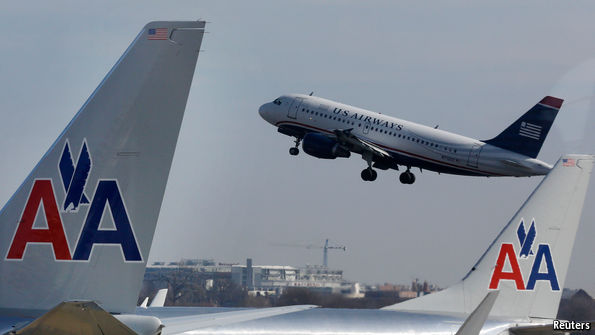
FLYERS in the United States are often frustrated by the dearth of options on certain routes, and the high price of tickets that are the result of limited competition. After several high-profile mergers in recent years, more than 80% of the domestic air market is controlled by four companies. That has led some travellers to ask how the government could possibly have allowed this to happen.
The answer is the same one that explains so many beguiling aspects of American governance: the combination of money, lobbying, influence, and the political revolving door that often makes it so easy for powerful companies to get their way.
A new investigation by ProPublica delves deeply into the complex web of meetings, donations, and hirings that surrounded the tie-up between American Airlines and US Airways. Three years ago, the administration of Barack Obama filed a lawsuit against the merger, alleging that it would raise prices and fees, cut service, and worsen amenities. Three months later, it reversed course, settling with the airlines and allowing the merger to move…Continue reading
Varios clientes fieles españoles del Samsung Note 7 se niegan devolverlo
Los usuarios quieren conservar el móvil pese a las advertencias de seguridad y la devolución del dinero
Varios clientes fieles españoles del Samsung Note 7 se niegan a devolverlo
Los usuarios quieren conservar el móvil pese a las advertencias de seguridad y la devolución del dinero
Las dos Españas del vino
La baja cosecha de este año amplía la ventaja competitiva de las denominaciones de origen frente a los productores a granel
“El reto de una firma global es llegar a diversas culturas”
El quinto mayor fabricante de cosméticos del mundo redobla su expansión internacional
“Quiero estar entre las cinco marcas más vendidas en dos años”
Kia, segunda enseña del grupo coreano Hyundai-Kia, ha sido el fabricante de automóviles con un crecimiento más explosivo en la última década
Rato y su equipo maquillaron cuentas para elevar sus ‘bonus’
El inspector del supervisor bancario, José Antonio Casaus, denunció ante sus jefes en mayo de 2011 «la cuestionable honradez de los gestores» de la entidad. Leer
Los consumidores británicos empiezan a notar los efectos de la subida de los precios
Si la libra alcanza la paridad con el euro, como se espera, los consumidores británicos pagarán un 20% más por productos como el aceite de oliva. Leer