
Tag: Finance and economics
The closing of American bank branches
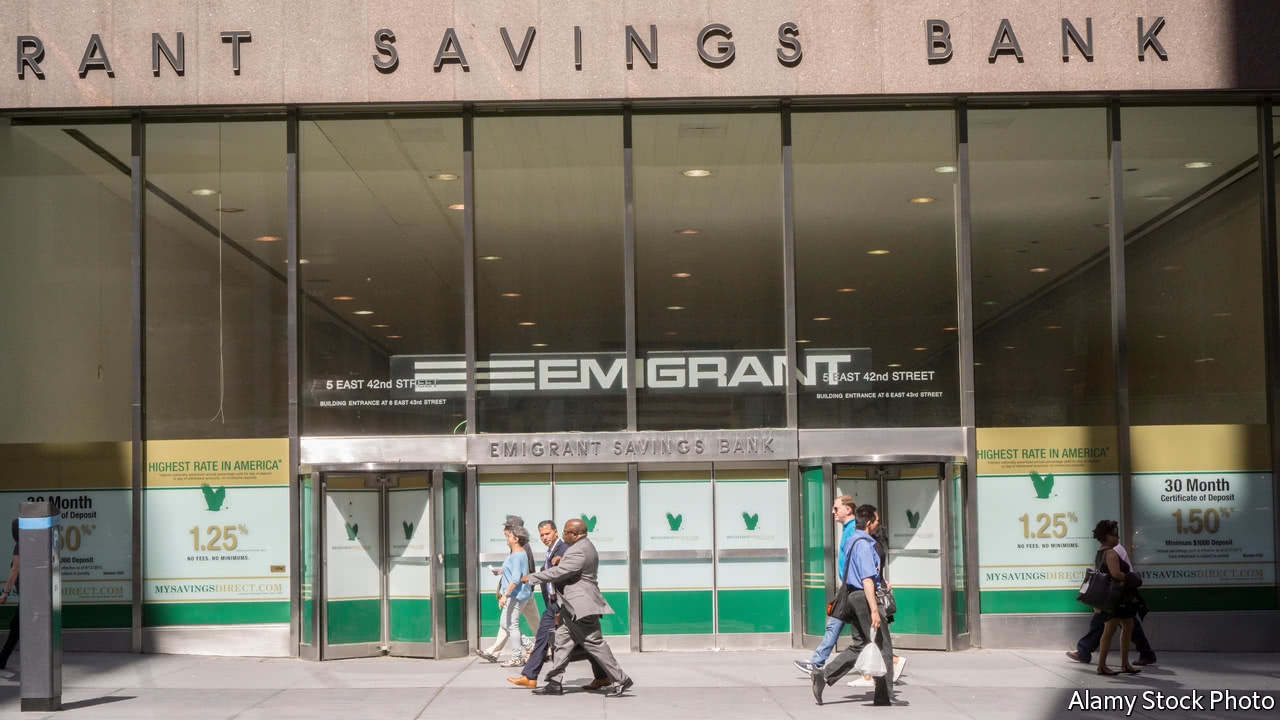
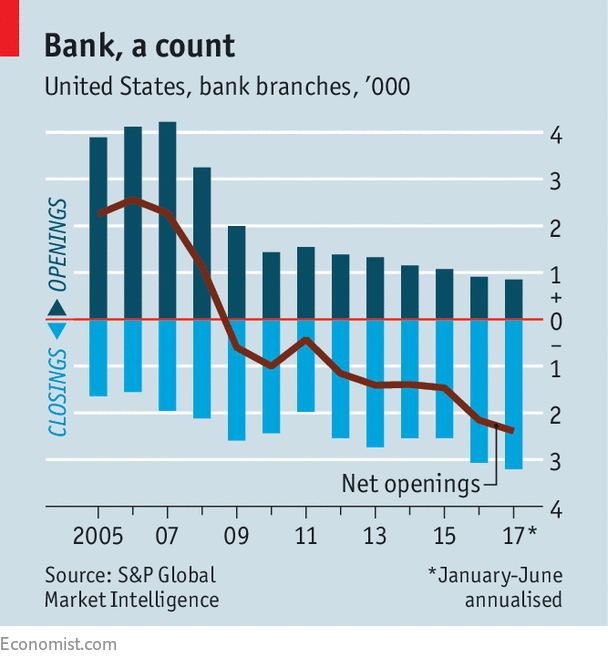
WINDSOR, a community of 6,200 people two hours outside Albany in New York state, offers many of the amenities commonly found in a small town, including a bakery, a car-repair outfit and several restaurants. There is just one thing missing: a bank. The town’s only financial institution, First Niagara Bank, shut its doors in October.
Towns like Windsor are becoming ever more common in America. Since the financial crisis, banks have closed over 10,000 branches, an average of three a day. In the first half of 2017 alone, a net 869 brick-and-mortar entities shut their doors, according to S&P Global Market Intelligence, a research firm. Some fret that branch closures risk turning poorer neighbourhoods into “banking deserts”, cut off from current accounts, loans and other basic services.
The link between poor harvests and violence

LAST year over 102,000 people died in nearly 50 armed conflicts across the world, according to the Peace Research Institute Oslo, a think-tank. Much of this violence is caused by tensions between ethnic groups—two-thirds of civil wars have been fought along ethnic lines since 1946. Yet historians differ over whether cultural differences or economic pressures best explain how tensions explode into violence.
A new study* by Robert Warren Anderson, Noel Johnson and Mark Koyama suggests that, historically, economic shocks were more strongly associated with outbreaks of violence directed against Jews than scholars had previously thought. The authors collected data for 1,366 anti-Semitic events involving forced emigration or murderous pogroms in 936 European cities between 1100 and 1800. This was then compared with historical temperature data from a variety of sources, including tree rings, Arctic ice cores and contemporary descriptions of…Continue reading
Pandemic bonds, a new idea
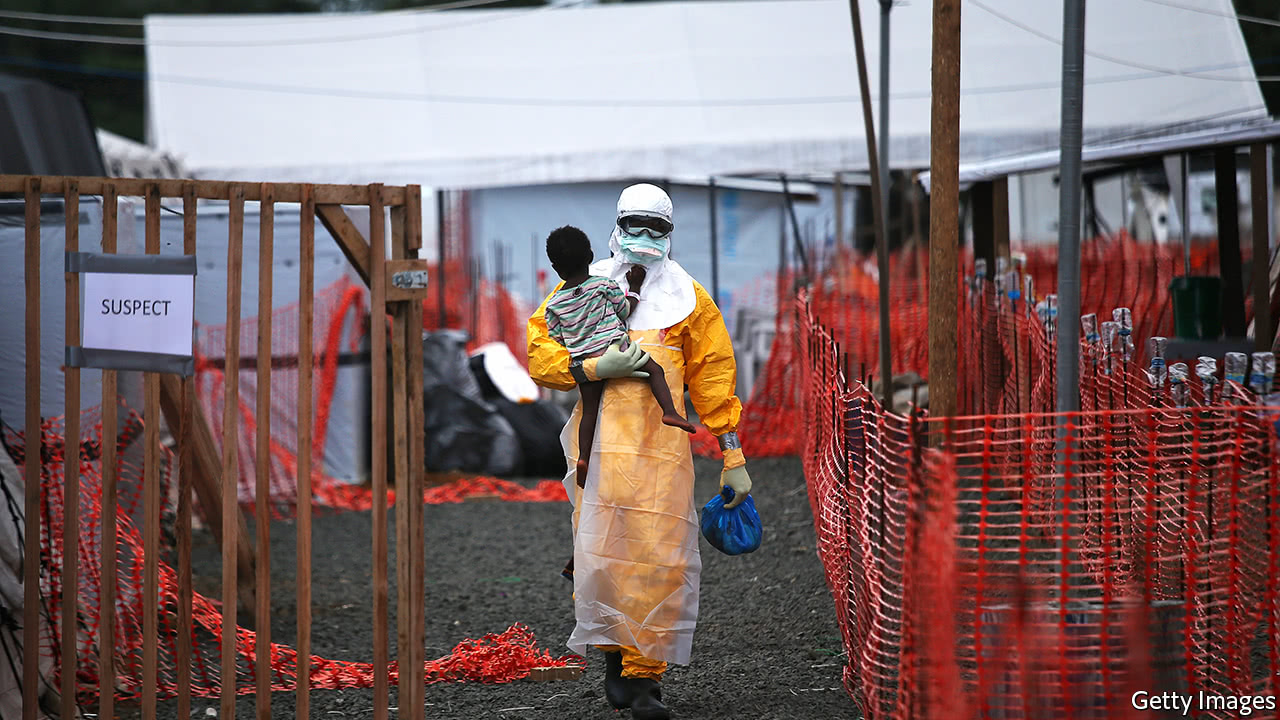
WHEN the Ebola virus hit west Africa in 2014, it took months to get together the money needed to combat the outbreak. Donors ended up committing more than $7bn. But the money came too late and too inefficiently, says Tim Evans, who directs the World Bank’s global health practice. Lives that could have been saved were lost. The bank estimates that GDP in Guinea, Liberia and Sierra Leone was reduced by $2.8bn.
Such outbreaks are likely to become more common: they have increased in frequency and diversity over the past 30 years, in step with the increased mobility of people, products and food. The World Bank says the probability of another pandemic in the next 10 to 15 years is high. That is why it has issued $425m in pandemic bonds to support its new Pandemic Emergency Financing Facility (PEF), which is intended to channel funding to countries facing a deadly disease.
The bonds cover six viruses likely to spark outbreaks: new…Continue reading
America’s uncompetitive markets harm its economy
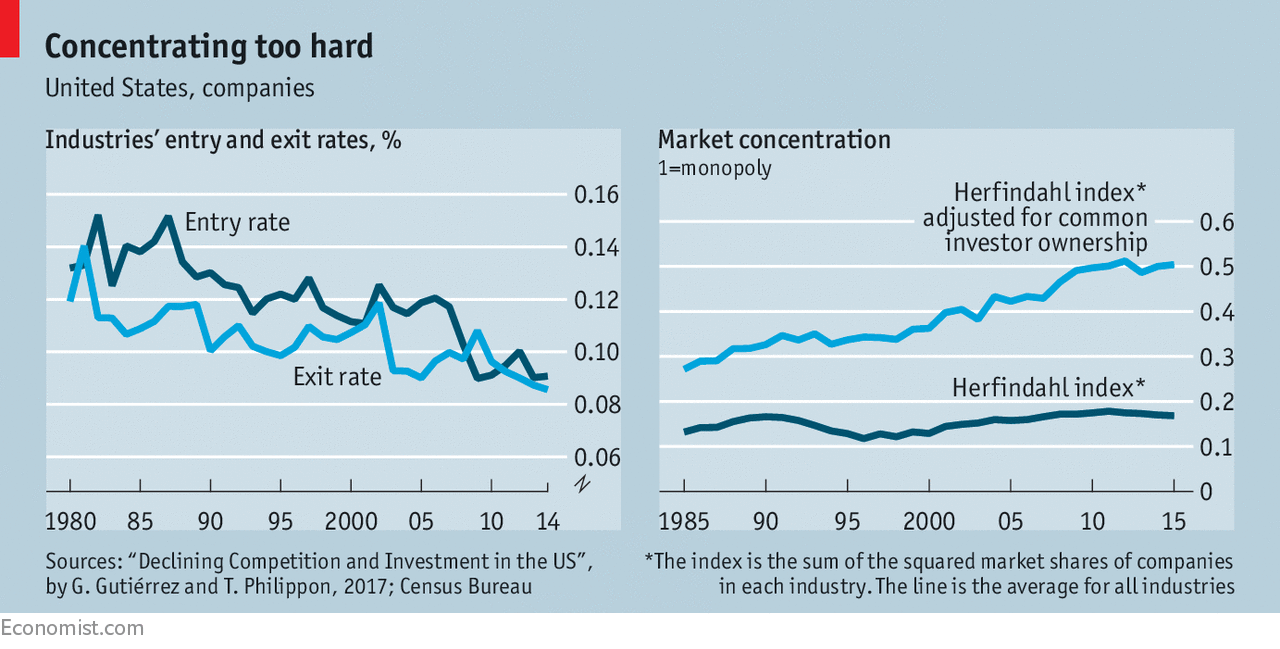
“THE best of all monopoly profits is a quiet life,” wrote Sir John Hicks, a British economist. Without competitors breathing down their necks, monopolists find it easy to make large profits: just ask the 46m American households served by only one fast-broadband provider, who pay high prices for poor service. As a result, trustbusting is one of those rare causes that can unite raging populists with sober academics. So the wonks may well have agreed with the sentiment, if not the fine detail, when Senate Democrats unveiled a fresh pledge on July 24th to make America competitive again as part of their economic agenda. “This economy is rigged,” insisted Senator Elizabeth Warren of Massachusetts. It is not quite that bad. But more than three-quarters of industries are more concentrated than they were two decades ago, and the economy is also seeing less turnover of firms (see charts).
It is easy enough for consumers to see the consequences when monopolists entrench themselves in one…Continue reading
Reform of China’s ailing state-owned firms is emboldening them
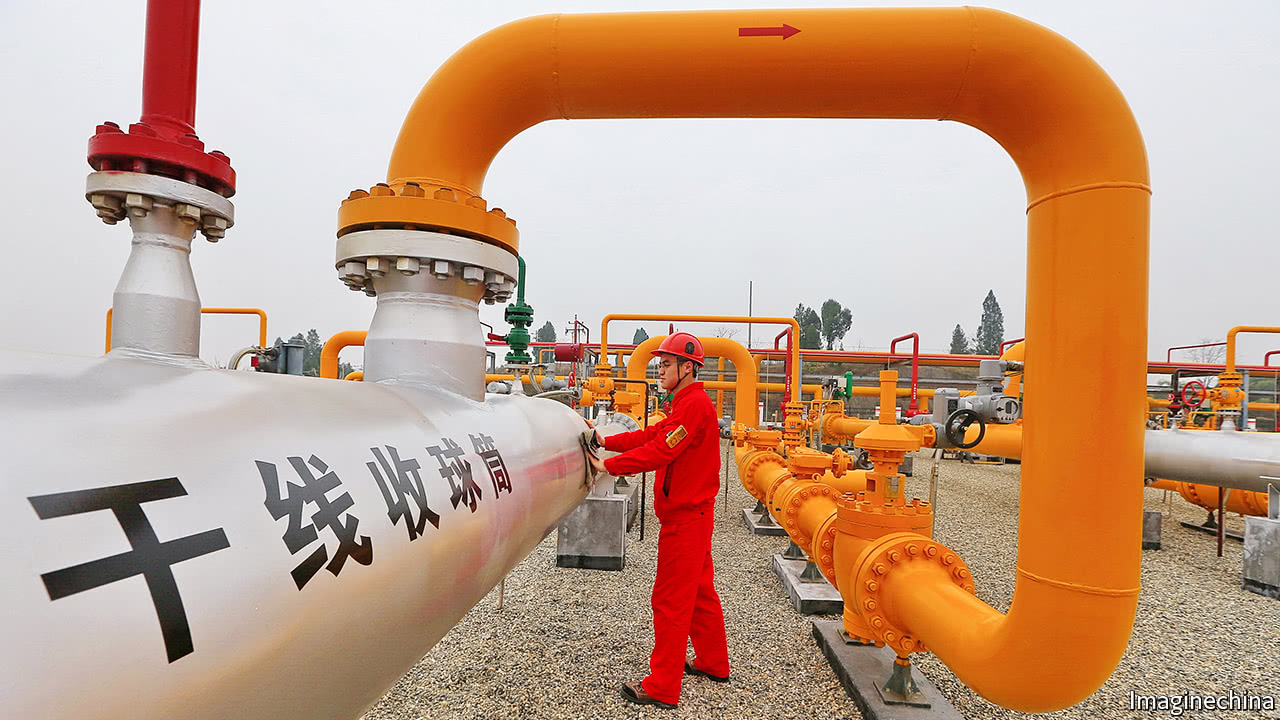
ACCORDING to company lore, Yunnan Baiyao, a musty-smelling medical powder, played a vital role during the Long March. As China’s Communist troops fled from attacks in the 1930s, trekking thousands of miles to a new base, they spread its yellow granules on their wounds to stanch bleeding. To this day, instructions on the Yunnan Baiyao bottle recommend application after being shot or stabbed. Many Chinese households keep some in stock to deal with more run-of-the-mill cuts. But the government has recently put its maker into service to treat a different kind of ailment: the financial weakness of state-owned enterprises (SOEs).
Yunnan Baiyao has emerged as a poster-child of China’s new round of SOE reform. The company, previously owned by the south-western province of Yunnan, sold a 50% stake to a private investor earlier this year. The same firm had tried to buy a slice of Yunnan Baiyao in 2009 but was blocked. Its success this time has been held up in the official press as proof that a…Continue reading
Could bond funds break the market?
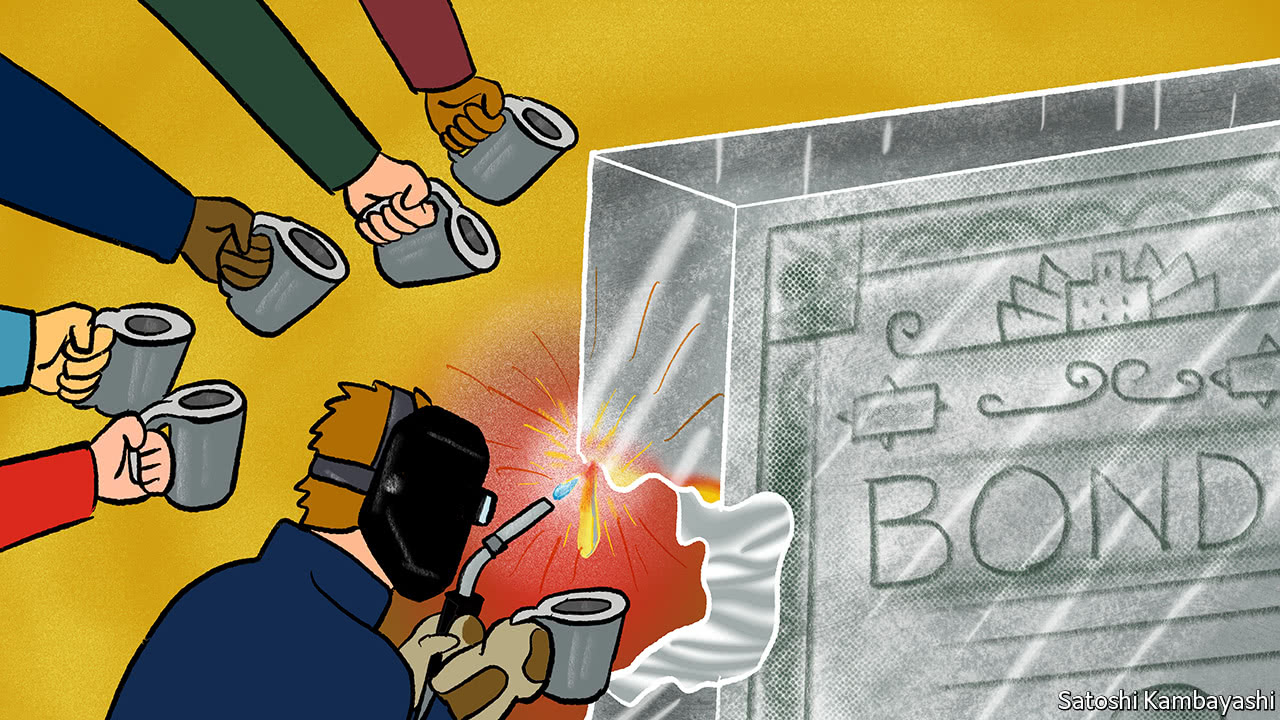
GOOD generals know that the next war will be fought with different weapons and tactics from the last. Similarly, financial regulators are right to worry that the next crisis may not resemble the credit crunch of 2007-08.
The last crisis arose from the interaction between the market for mortgage-backed securities and the banking system. As investors became unsure of the banks’ exposure to bad debts, they cut back on their lending to the sector, causing a liquidity squeeze. Since then, central banks have insisted that commercial banks improve their capital ratios to ensure they are less vulnerable.
Might the next crisis originate not in the banking system, but in the bond market? That is the subject of a new paper* from the Bank of England. The worry centres on the “liquidity mismatch” between mutual funds, which offer instant redemption to their clients, and the corporate-bond market, where many securities may be hard to trade in a crisis. The danger is that forced…Continue reading
KKR, a private-equity giant, lays out its succession plan
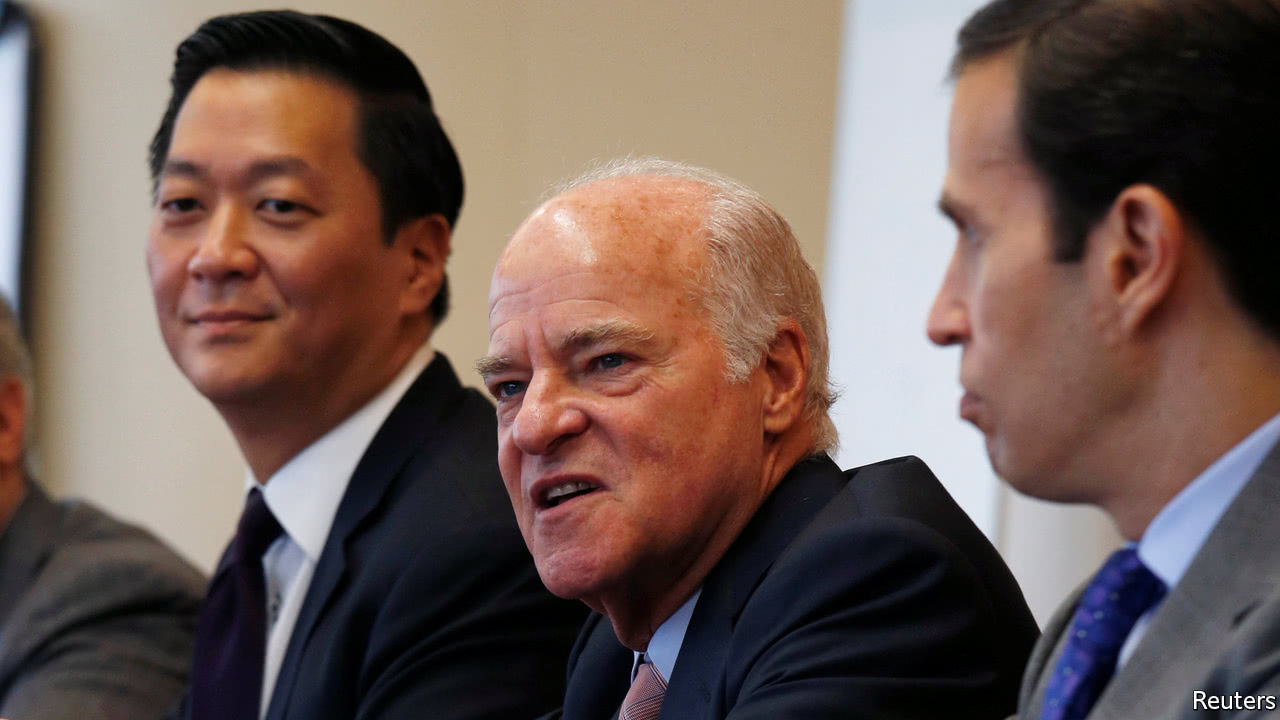
IN MOST four-decade-old firms run by greying co-founders, investors would have long since demanded clarity on succession. But private equity works differently: the industry has been dominated by its pioneers ever since its origins in the 1970s. So an announcement on July 17th about its future leadership by KKR, one of the world’s largest private-equity firms, puts it a step ahead of its rivals. Its aim of ensuring that the firm has the right structure in place “for decades to come” is not obviously shared across the industry.
KKR has been run since 1976 by two of its founders, Henry Kravis and George Roberts (both in their early 70s). They are staying on as co-chairmen and co-chief executives but with less of a day-to-day role. Lining up behind them are a pair of 40-somethings, Joe Bae and Scott Nuttall, who will join the board and take the titles of co-president and co-chief operating officer.
Such explicit, public succession planning is unusual. Stephen…Continue reading
Regulating credit unions in Africa
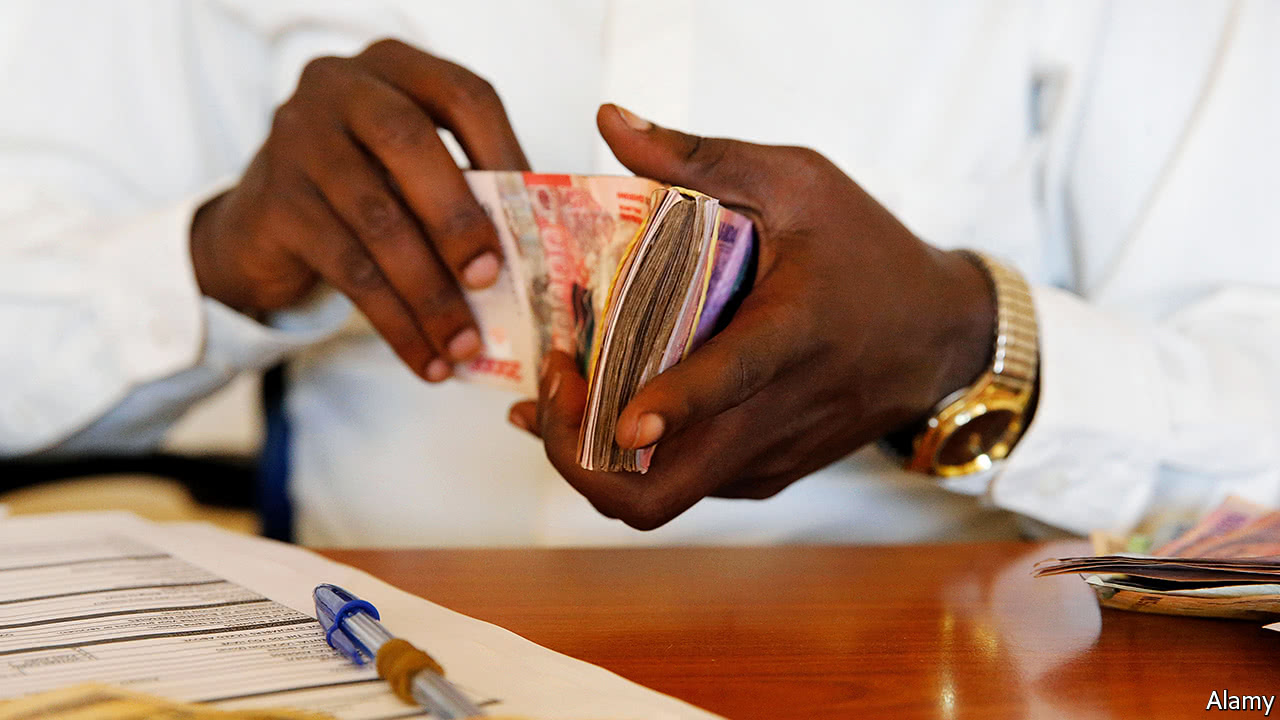
THE most recent time Moses Kibet Biegon needed a quick loan was when his roof blew away. He got one from the Imarisha Savings and Credit Co-operative, in Kericho in western Kenya. Imarisha channels the savings of its 57,000 members into loans for school fees, business projects or, in Mr Biegon’s case, roof repairs. It runs a fund to help with medical bills. And it pays dividends to its members from its investments, which include a shopping plaza that it opened last year.
Savings and credit co-operatives (SACCOs) like Imarisha are the African version of credit unions: member-owned co-ops, usually organised around a community or workplace. Some are rural self-help groups with a few dozen members and a safe. Others have branch networks and mobile apps. The largest SACCOs rival banks; Mwalimu National, which serves Kenyan teachers, has even bought one.
The co-operative model brings “a more humane face” to finance,…Continue reading
The power of populists
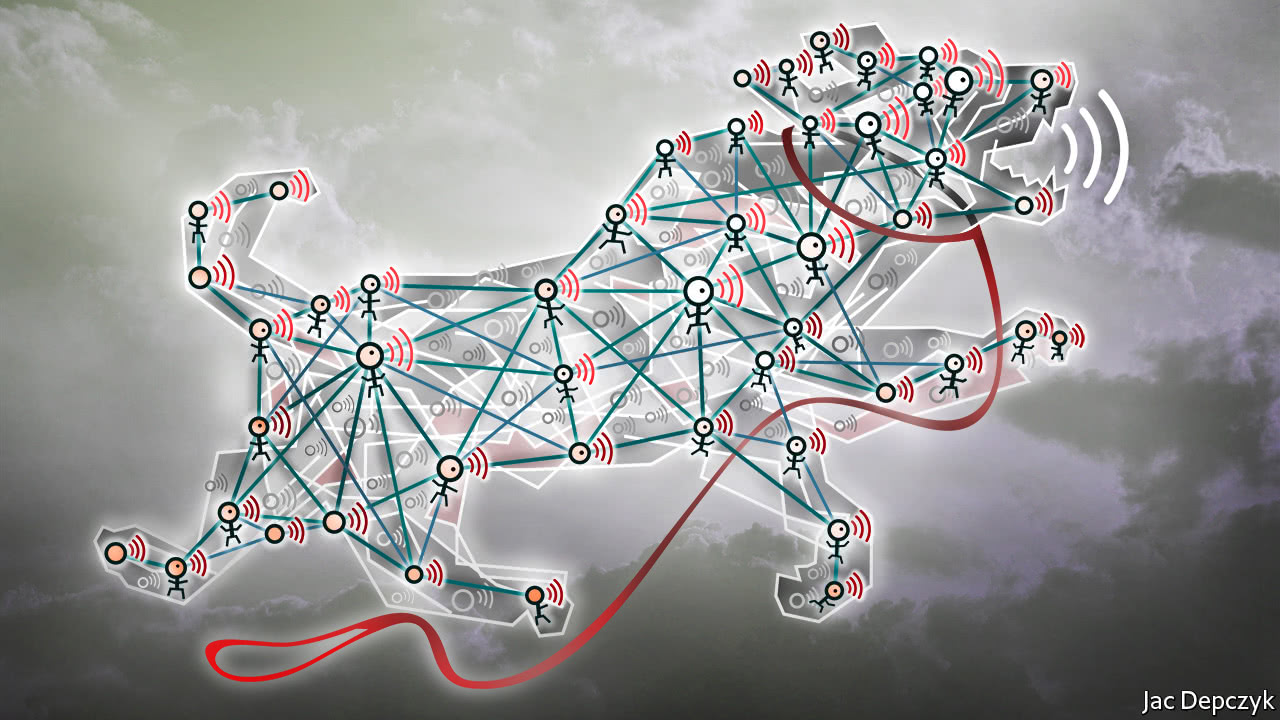
WITH the defeat of Marine Le Pen in her bid for the French presidency, establishment politicians in rich countries breathed a sigh of relief. The fortunes of extremist candidates have faltered since the populist surge that put Donald Trump into the White House. But it is hard to be confident that this was populism’s high-water mark without a better understanding of what caused the swell in the first place. The most convincing explanations suggest that populist upswings are not in the past.
It is tempting to dismiss the rise of radicalism as an inevitable after-effect of the global financial crisis. Studies show that the vote shares of extreme parties, particularly on the right, tend to increase in the years after a crisis. The Depression spawned some of the 20th century’s most dangerous and radical populist movements. But the facts do not fit that story precisely. In Europe, for example, populist parties have steadily won more voters since the 1980s. What is more, populist rage is…Continue reading
Africa is Islamic banking’s new frontier
IN 2008 Ethiopia’s conservative central bank experimented: it authorised interest-free banking. Interest is prohibited under sharia law, so the move was lauded as a step towards expanding financial services for the country’s large and often poor Muslim minority. But momentum soon stalled. An attempt to launch a fully-fledged Islamic bank foundered. Today most of Ethiopia’s big commercial banks offer a narrow range of Islamic financial products, but to few customers. Islamic finance in Ethiopia was stillborn.
Outside Africa, Islamic finance is in much healthier condition. Between 2007 and 2014, the sector tripled in size (although growth has slowed lately). Total assets are around $1.9trn. Sub-Saharan Africa accounts for less than 2% of this, yet it should be especially fertile territory. The continent’s Muslim population is 250m and growing. And according to the World Bank, as many as 350m Africans do not have a bank account.
Several countries are vying to become…Continue reading