
Tag: FINANCE
Huge volumes of data make real-time insurance a possibility
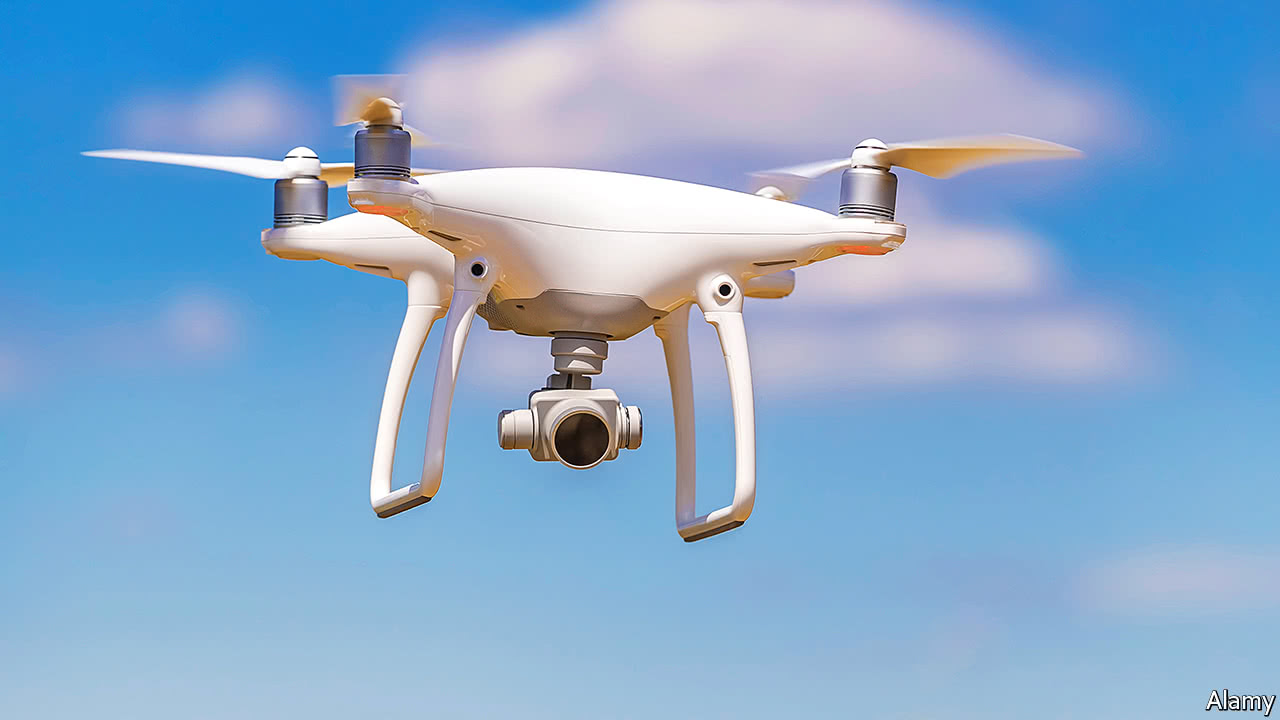
EVEN at weddings or whale watches, the buzz of a drone is no longer a surprise. Drone photography is booming. Gartner, a consultancy, says some 174,000 drones will be sold for commercial use around the world this year, and 2.8m to consumers. It is easy to imagine a few might fall out of the sky, causing damage the pilot cannot hope to pay for: crushed wedding cakes, injured spectators and so on. Amid scores of near-misses, several incidents have already occurred. In 2014, for example, a drone filming a triathlon in Australia crashed on a competitor’s head.
Clearly, drone-users need insurance. Typically, risks are insured through the payment of an annual premium. Insure4drones, a British specialist, charges £738.86 ($1,000) to cover a DJI Phantom, a bestselling drone, for a year. From October Flock, a London startup, will offer insurance on a flight-by-flight basis, at the push of a button in an app, to any commercial drone-operator in Britain….Continue reading
Ethical investment is booming. But what is it?
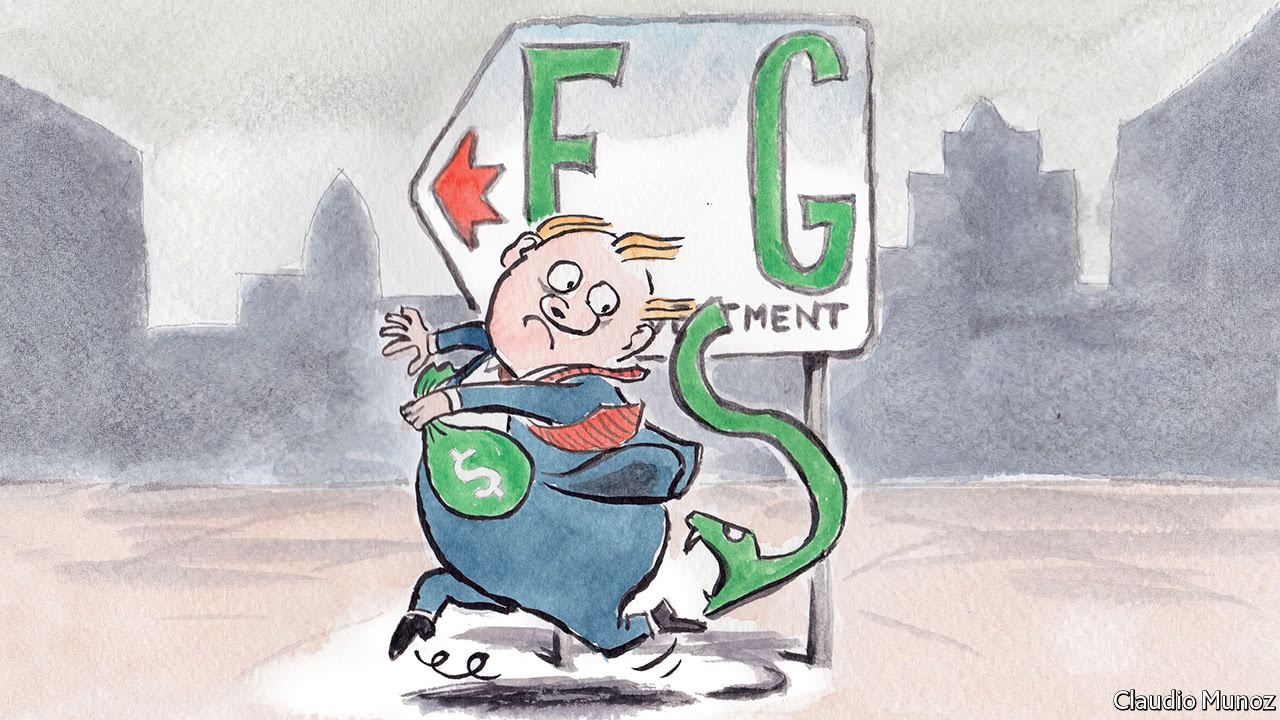
MAYBE weary of its role as a punchbag for moralists, and certainly in search of products with widespread appeal, Wall Street has taken to selling products linked to virtue. That is not easy: how does an industry focused on financial returns go about gauging goodness?
The approach started years ago with funds that called themselves “socially responsible”. More recently the terminology has evolved, with many claiming to pursue “ESG” investing, standing for “environmental”, “social” and “governance”.
Morningstar, a data-tracking firm, places any fund that uses terms such as sustainable investing, ESG and so on in its prospectus into a category that now has 204 members with $77bn in collective assets. The oldest fund in the Morningstar group dates back to 1971. But nearly half have been launched in the past three years. More quietly, the wealth-management offices of many American investment firms constantly roll out investments touting these sorts of…Continue reading
Ukraine’s return to the debt markets worries economic reformers
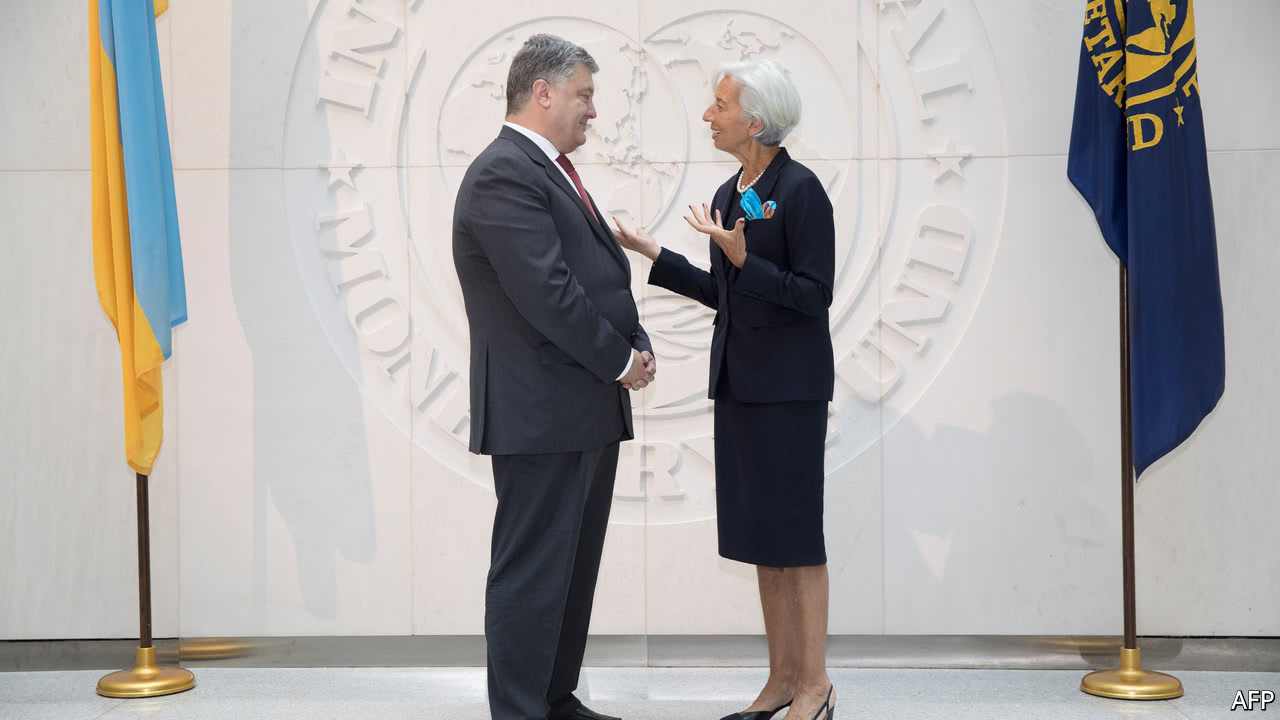
MUCH has changed since Ukraine last tapped global debt markets in 2013. The next year the “Maidan revolution” drove out the corrupt regime of Viktor Yanukovych; and Russia annexed Crimea and stoked a war in Ukraine’s east. The economy languished, with GDP contracting by 16% in 2014-15; only an IMF rescue staved off collapse. Unable to pay its debts, Ukraine in 2015 submitted its creditors to a 20% “haircut”, or debt reduction (an offer rejected by just one creditor, Russia, which is pursuing Ukraine in British courts). This week the government returned to the international markets, issuing $3bn in dollar-denominated bonds.
This testifies to the progress Ukraine has made. As Oleksandr Danylyuk, the finance minister, puts it: “We’re back; we transformed the country.” The government has largely stabilised the economy, bringing inflation down from a peak of 61% in April 2015 to a more manageable 13.5%. It has also undertaken structural reforms: overhauling energy…Continue reading
Norway’s sovereign-wealth fund passes the $1trn mark

A year earlier than expected, Norway’s sovereign-wealth fund, the world’s largest, surpassed $1trn in assets on September 19th. It had gained over $100bn in the past year, thanks in large measure to the global stockmarket boom in 2017: around two-thirds of its assets are held as equities (over 1% of shares globally). It helps that Norwegians continue to earn fat revenues from pumping North Sea oil and gas, which go to the fund to be invested abroad. The fund is so big it is becoming a tool for 5m-odd Norwegians to shape values abroad. It is an increasingly activist shareholder, speaking out on executive pay, ethical behaviour, companies’ use of water, child labour and more. Both its size and influence are likely to keep on growing.
The teaching of economics gets an overdue overhaul
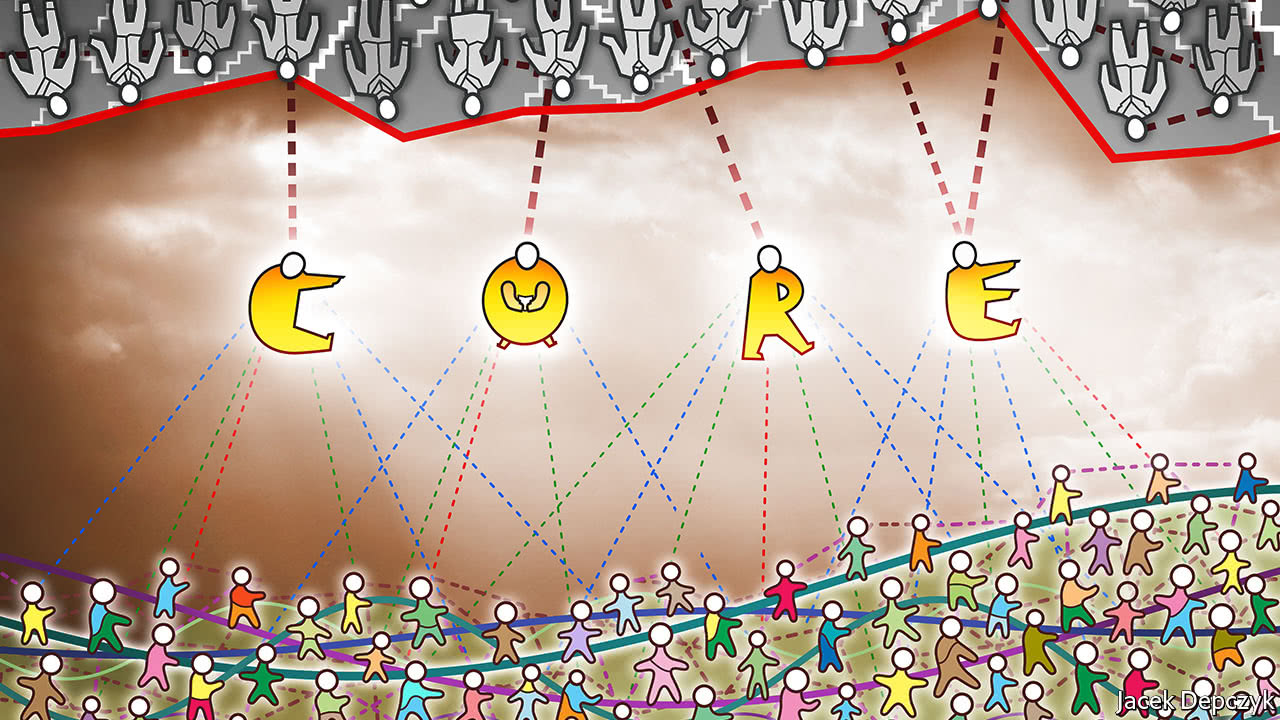
ECONOMISTS can be a haughty bunch. But a decade of trauma has had a chastening effect. They are rethinking old ideas, asking new questions and occasionally welcoming heretics back into the fold. Change, however, has been slow to reach the university economics curriculum. Many institutions still pump students through introductory courses untainted by recent economic history or the market shortcomings it illuminates. A few plucky reformers are working to correct that: a grand and overdue idea. Overhauling the way economics is taught ought to produce students more able to understand the modern world. Even better, it should improve economics itself.
The dismal science it may be, but economics is popular on campus. It accounts for more than 10% of degrees awarded at elite universities each year, by one estimate, and many more students take an introductory class as part of their general-education requirements. Teachers of such courses aim to grab the attention of their glassy-eyed audience, to…Continue reading
America holds the World Trade Organisation hostage
EIGHT months into Donald Trump’s presidency, the rules-based system of global trade remains intact. Threats to impose broad tariffs have come to nothing. Some ominous investigations into whether imports into America are a national-security threat are on hold. Mr Trump looks less a hard man than a boy crying wolf. All the same, supporters of the World Trade Organisation (WTO), the guardian of that rules-based system, are worried. Other dangers are lurking. There is more than one way to undermine an institution.
The WTO is meant to be a forum for reaching deals and resolving disputes. But all 164 members must agree to new rules, and agreement has largely been elusive. So if members do not like today’s rules, as interpreted by judges, they have little prospect of negotiating better ones. That puts pressure on the WTO’s judicial function, the bit that has been working fairly well.
Trouble is brewing at the WTO’s court of appeals. It is meant to have seven serving judges, but has only five and by the end of the year will have just four. The Americans refuse to start the process of filling the spots, citing systemic concerns. What seemed an arcane procedural row has become what some call a “crisis”.
China sets its sights on dominating sunrise industries

IN RECENT days China set the record for the world’s fastest long-distance bullet train, which hurtled between Beijing and Shanghai at 350kph (217mph). This was a triumph of industrial policy as much as of engineering. China’s first high-speed trains started rolling only a decade ago; today the country has 20,000km of high-speed track, more than the rest of the world combined. China could not have built this without a strong government. The state provided funds for research, land for tracks, aid for loss-making railways, subsidies for equipment-makers and, most controversially, incentives for foreign companies to share commercial secrets.
High-speed rail is a prime example of the Chinese government’s prowess at identifying priority industries and deploying money and policy tools to nurture them. It inspires awe of what it can accomplish and fear that other countries stand little chance against such a formidable competitor. Yet there have also been big industrial-policy misses, notably…Continue reading
The big data breach suffered by Equifax has alarming implications

UNTIL something goes wrong, few people give much thought to the surveillance they undergo by credit-reporting agencies (CRAs). Yet these agencies’ business is deeply intrusive: quantifying character. They assign individuals credit scores based on how they previously managed debt. The scores are then sold to lenders. In America, Equifax, Experian and TransUnion, the “Big Three” CRAs, have gathered credit histories and identifying information for nearly every adult.
On September 7th Equifax admitted that something had indeed gone very wrong: hackers had gained access to personal information on about 143m people, mostly Americans. It reported that, from mid-May to July, hackers exploited a vulnerability in its website. The data compromised included Social Security numbers (SSNs), dates of birth and driving-licence numbers, and for 209,000 people, possibly their credit-card numbers as well. Equifax also noted that data about some Britons and Canadians may have been stolen.
The…Continue reading
How to protect yourself against the theft of your identity

AS IDENTITY theft has proliferated, so has the number of businesses hoping to make money selling protection against it. Companies such as LifeLock, Identity Guard and PrivacyGuard sell products similar to Equifax’s TrustedID Premier identity-theft protection. That was the service Equifax offered to every American with a Social Security number in the aftermath of its big data breach.
Those who enroll in TrustedID are promised notification if their information is offered for sale on the internet. Their credit reports with Equifax, Experian and TransUnion, the “Big Three” credit-reporting agencies (CRAs), are also monitored for suspicious activity, such as the opening of new accounts or failures to pay a bill on time. If such activity is detected, users can “freeze” their Equifax credit reports, ie, make them unavailable to lenders. And TrustedID offers $1m-worth of insurance to compensate users for losses incurred as a result of identity theft. Equifax is offering the service free…Continue reading
Putting a new face on an American banknote is oddly difficult

IT WOULD be hard to find a better example of long-term gridlock in Washington than its treatment of banknotes, whose appearance has essentially been frozen since 1929. The administration of Barack Obama took a half-hearted step towards a new look, proposing the replacement of Alexander Hamilton’s portrait on the $10 bill with a portrait of Harriet Tubman, a former slave who became a civil-war hero.
Problems cropped up at once. It seemed ludicrous to scrap the portrait of the one person on a note who helped create America’s financial system. It did not help that he was also the hero of a smash-hit Broadway musical. So the administration decided instead to replace Andrew Jackson, America’s seventh president, on the $20 bill. But by then it was too close to the election to push the change through.
President Donald Trump has since lent his support to keeping Jackson. In a recent interview, his treasury secretary, Steven Mnuchin, made it clear he had little interest in pursuing…Continue reading