
Tag: Approved
The link between poor harvests and violence

LAST year over 102,000 people died in nearly 50 armed conflicts across the world, according to the Peace Research Institute Oslo, a think-tank. Much of this violence is caused by tensions between ethnic groups—two-thirds of civil wars have been fought along ethnic lines since 1946. Yet historians differ over whether cultural differences or economic pressures best explain how tensions explode into violence.
A new study* by Robert Warren Anderson, Noel Johnson and Mark Koyama suggests that, historically, economic shocks were more strongly associated with outbreaks of violence directed against Jews than scholars had previously thought. The authors collected data for 1,366 anti-Semitic events involving forced emigration or murderous pogroms in 936 European cities between 1100 and 1800. This was then compared with historical temperature data from a variety of sources, including tree rings, Arctic ice cores and contemporary descriptions of…Continue reading
The world’s largest online-travel company

NOT since the dotcom boom at the turn of the century have technology shares been on such a tear. On July 19th the S&P 500 index of information-technology stocks hit a record high, closing above its previous peak in March 2000 (see Buttonwood). As titans like Google, Facebook and Amazon hog the limelight, other firms can go unnoticed. One that deserves more attention is Priceline, the world’s largest online-travel company.
Those old enough to remember the dotcom boom may still associate Priceline, which was founded in 1997, with its “name your own price” feature, which let consumers bid for hotel rooms and flights. Today it is a Goliath. Its stable of online sites for booking hotels, cars, flights and restaurants spans the world and includes Booking.com, Kayak, Agoda and OpenTable. Over the past decade Priceline’s pre-tax earnings…Continue reading
A bad week for Germany’s carmakers
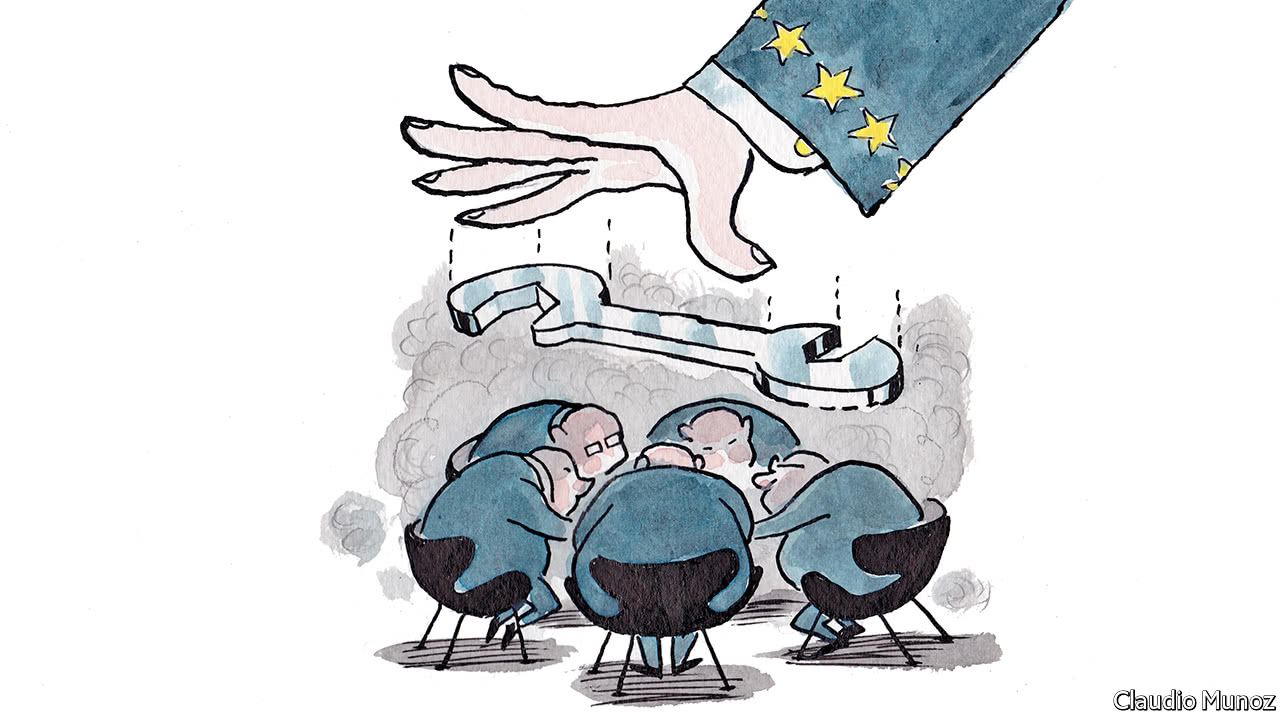
STRENGTH and reliability were once the watchwords of Germany’s carmakers. Tardiness and scheming seem more apt terms now. Nearly two years after Volkswagen (VW) was caught rigging emissions tests, the difficulties continue to pile up. Europe is turning against diesel, and even petrol. And German firms are facing accusations of collusive behaviour, including claims of more widespread rigging of emissions tests for diesel engines.
Diesel’s days look numbered. Sales in Europe are falling fast. Before VW’s misdemeanours came to light, they accounted for over half the market in large European countries. No longer: Morgan Stanley, a bank, notes that diesel passenger cars took less than 39% of sales in Germany in June. Another bank predicts that diesel’s share will soon drop to 30% across Europe.
Dismay over premature deaths caused by pollution is one reason. The European Environment Agency says smog causes nearly half a million early deaths in Europe annually. Diesel engines…Continue reading
Pandemic bonds, a new idea
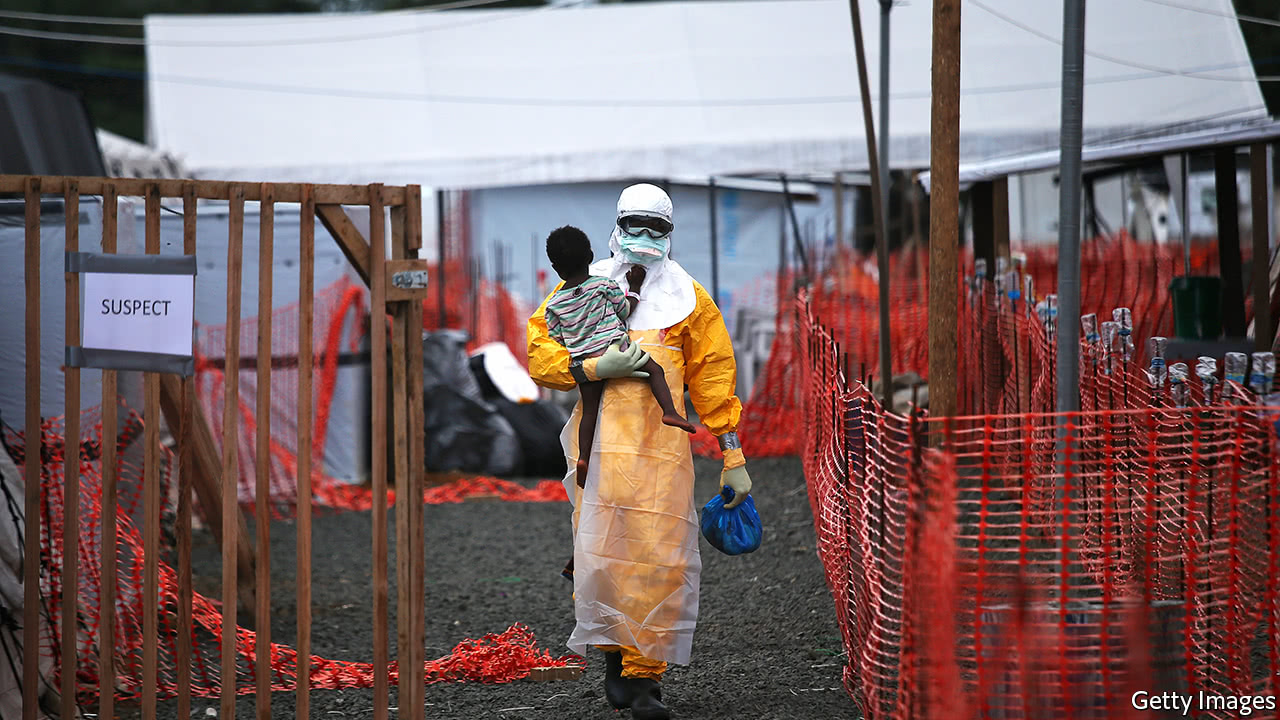
WHEN the Ebola virus hit west Africa in 2014, it took months to get together the money needed to combat the outbreak. Donors ended up committing more than $7bn. But the money came too late and too inefficiently, says Tim Evans, who directs the World Bank’s global health practice. Lives that could have been saved were lost. The bank estimates that GDP in Guinea, Liberia and Sierra Leone was reduced by $2.8bn.
Such outbreaks are likely to become more common: they have increased in frequency and diversity over the past 30 years, in step with the increased mobility of people, products and food. The World Bank says the probability of another pandemic in the next 10 to 15 years is high. That is why it has issued $425m in pandemic bonds to support its new Pandemic Emergency Financing Facility (PEF), which is intended to channel funding to countries facing a deadly disease.
The bonds cover six viruses likely to spark outbreaks: new…Continue reading
The wage gap between men and women varies depending on job types
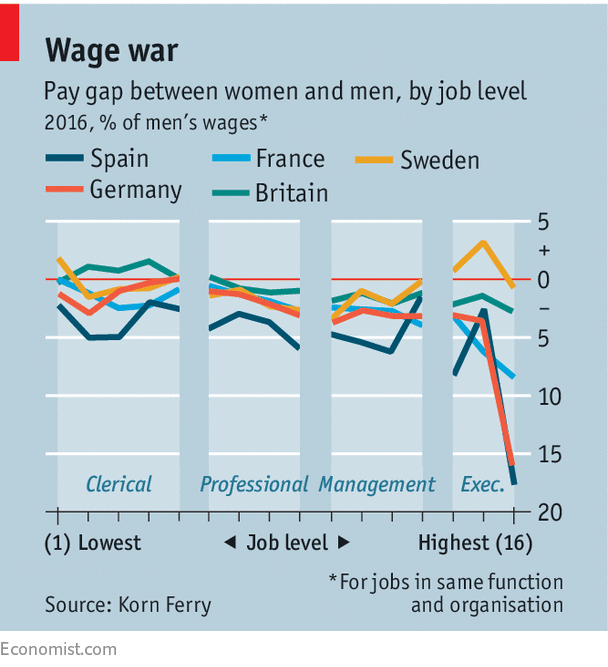
IT HAS been a turbulent few days for the BBC, Britain’s public broadcaster. On July 19th it published the names of those to whom it pays £150,000 ($195,000) or more a year. The ensuing furore was less over the level of pay, but the differences between men and women. Some female presenters discovered that they earned much less than their male peers. Of the 96 people listed, two-thirds are men; across the BBC, just over half are.
In a petition, female presenters said this was evidence that women at the BBC are paid less than men “for the same work”. Although this may be true for people on the BBC’s list, it is much less clear for the rest of its 9,000 female employees: a gender pay gap at the top of an organisation does not necessarily mean that similar gaps exist at lower levels.
In Britain, as in other European countries, the average gap in pay between men and women in exactly the same jobs is tiny or non-existent, according to data for 8.7m employees worldwide gathered by…Continue reading
Foreign executives need to get their feet dirty to succeed in Africa
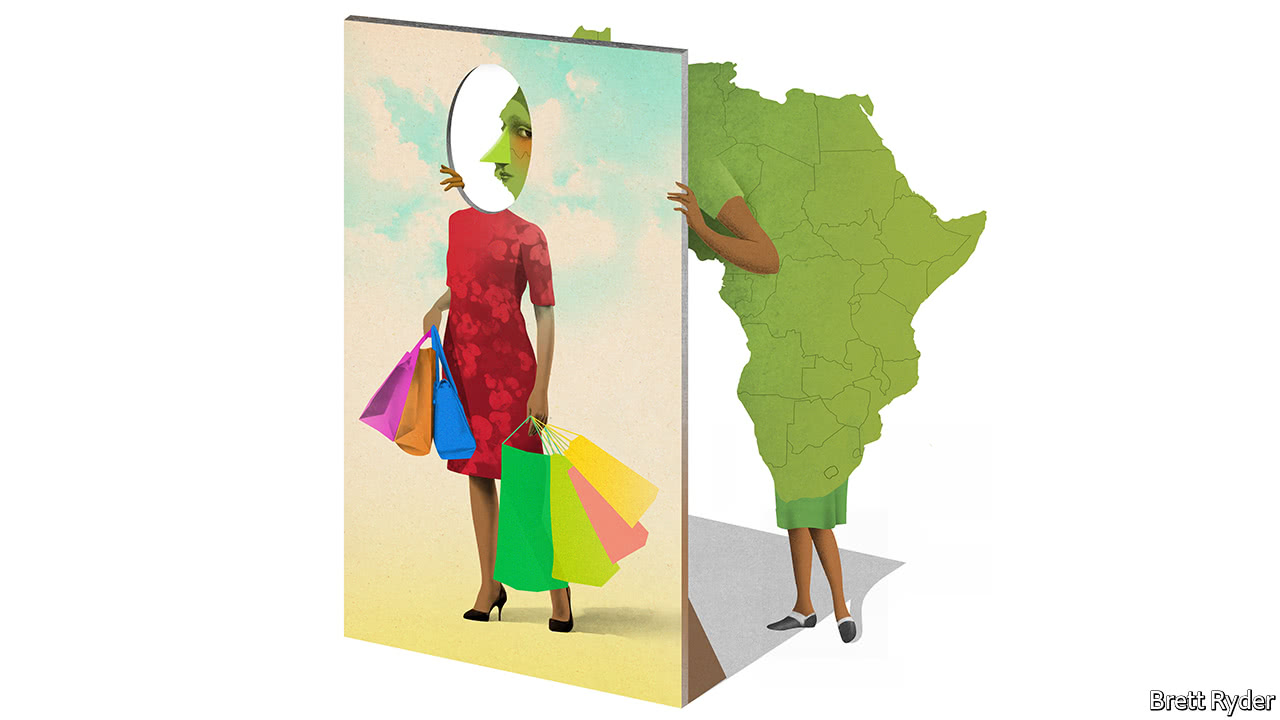
NAIROBI, Kenya’s capital, is also known as the “Green City in the Sun”. It might as well be called the city of malls: it has never had such a wide choice. The newest outlet, named Two Rivers, sits on a road near the American embassy and contains no less than three different malls in the space of a square mile or so. Here, you can scoff a Burger King before wandering around a huge new Carrefour supermarket to stock up on French cheese, British-made breakfast cereals and Turkish-made clothes. The owners proudly proclaim that it is sub-Saharan Africa’s biggest mall. It is certainly among the glitziest.
And yet walking into Two Rivers is an odd experience. The scale is huge, but the place is eerily quiet. More than a few shopfronts are empty, with hoardings instead of windows. Those that are occupied have a mere trickle of customers, and the goods they sell—furniture, clothes, electronics—are ambitiously priced. Two Rivers feels a bit like a Potemkin village, projecting an illusion…Continue reading
America’s uncompetitive markets harm its economy
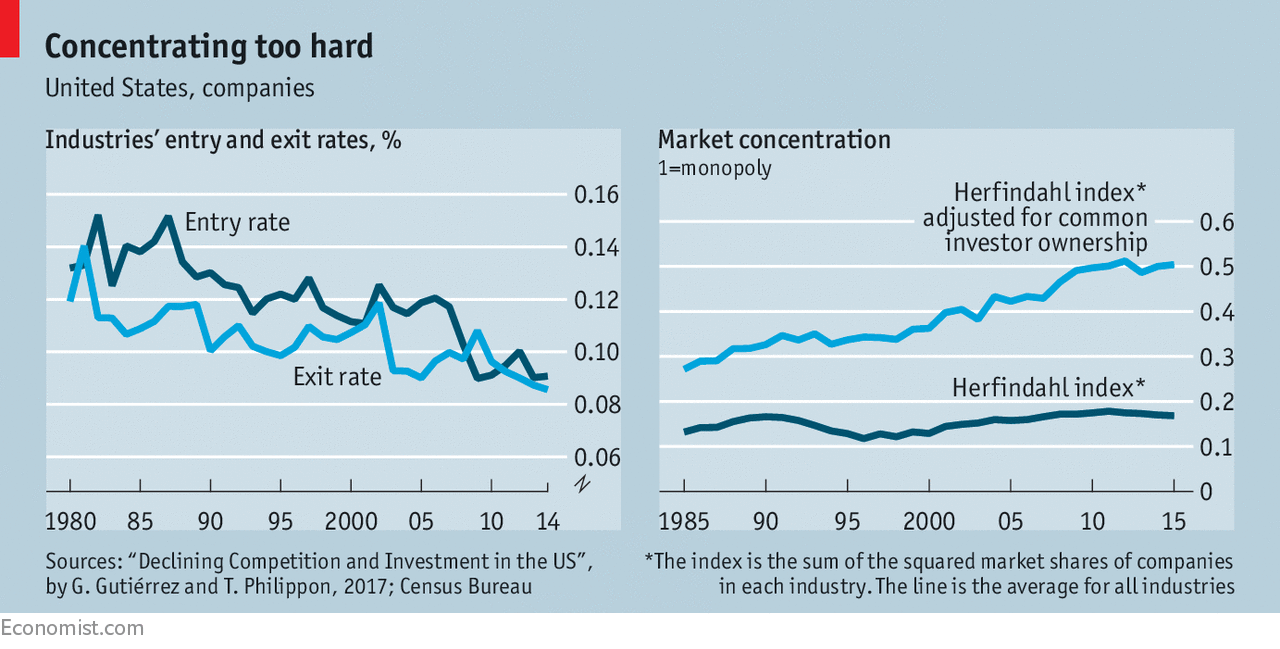
“THE best of all monopoly profits is a quiet life,” wrote Sir John Hicks, a British economist. Without competitors breathing down their necks, monopolists find it easy to make large profits: just ask the 46m American households served by only one fast-broadband provider, who pay high prices for poor service. As a result, trustbusting is one of those rare causes that can unite raging populists with sober academics. So the wonks may well have agreed with the sentiment, if not the fine detail, when Senate Democrats unveiled a fresh pledge on July 24th to make America competitive again as part of their economic agenda. “This economy is rigged,” insisted Senator Elizabeth Warren of Massachusetts. It is not quite that bad. But more than three-quarters of industries are more concentrated than they were two decades ago, and the economy is also seeing less turnover of firms (see charts).
It is easy enough for consumers to see the consequences when monopolists entrench themselves in one…Continue reading
Thanks to streaming services, China’s consumers have begun paying for music

HONEST souls intent on paying full whack for the music they listen to used to have a hard time in China. In the era of compact discs, rare was the shop which did not sell counterfeits. The same held true when discs turned into downloads and online streams of songs: hardly any service charged money.
Slowly but surely, China is becoming a market where people pay for music. Over the past five years, digital-music revenues for the recording industry nearly quadrupled, to $195m; most of that amount comes from music streaming (see chart). That sum may still be a tiny fraction of the global total of $7.8bn, but streaming has clearly taken off in China.
 Continue reading
Reform of China’s ailing state-owned firms is emboldening them
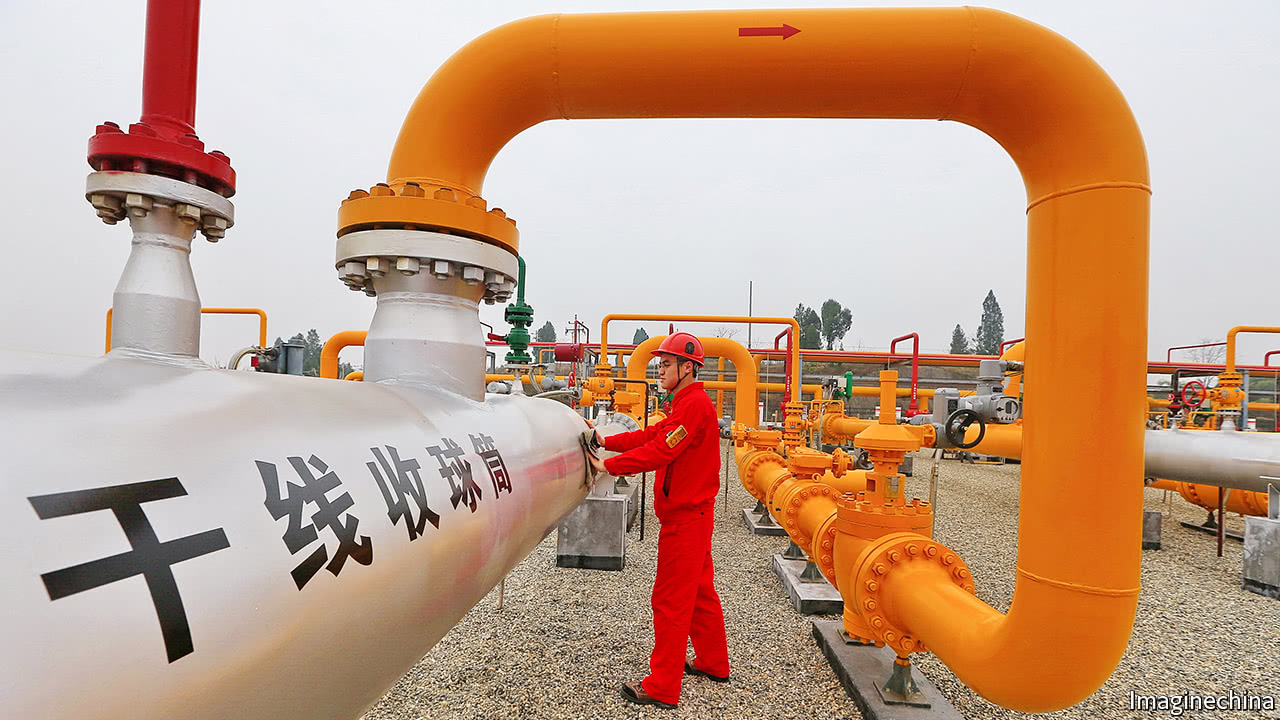
ACCORDING to company lore, Yunnan Baiyao, a musty-smelling medical powder, played a vital role during the Long March. As China’s Communist troops fled from attacks in the 1930s, trekking thousands of miles to a new base, they spread its yellow granules on their wounds to stanch bleeding. To this day, instructions on the Yunnan Baiyao bottle recommend application after being shot or stabbed. Many Chinese households keep some in stock to deal with more run-of-the-mill cuts. But the government has recently put its maker into service to treat a different kind of ailment: the financial weakness of state-owned enterprises (SOEs).
Yunnan Baiyao has emerged as a poster-child of China’s new round of SOE reform. The company, previously owned by the south-western province of Yunnan, sold a 50% stake to a private investor earlier this year. The same firm had tried to buy a slice of Yunnan Baiyao in 2009 but was blocked. Its success this time has been held up in the official press as proof that a…Continue reading
Could bond funds break the market?
GOOD generals know that the next war will be fought with different weapons and tactics from the last. Similarly, financial regulators are right to worry that the next crisis may not resemble the credit crunch of 2007-08.
The last crisis arose from the interaction between the market for mortgage-backed securities and the banking system. As investors became unsure of the banks’ exposure to bad debts, they cut back on their lending to the sector, causing a liquidity squeeze. Since then, central banks have insisted that commercial banks improve their capital ratios to ensure they are less vulnerable.
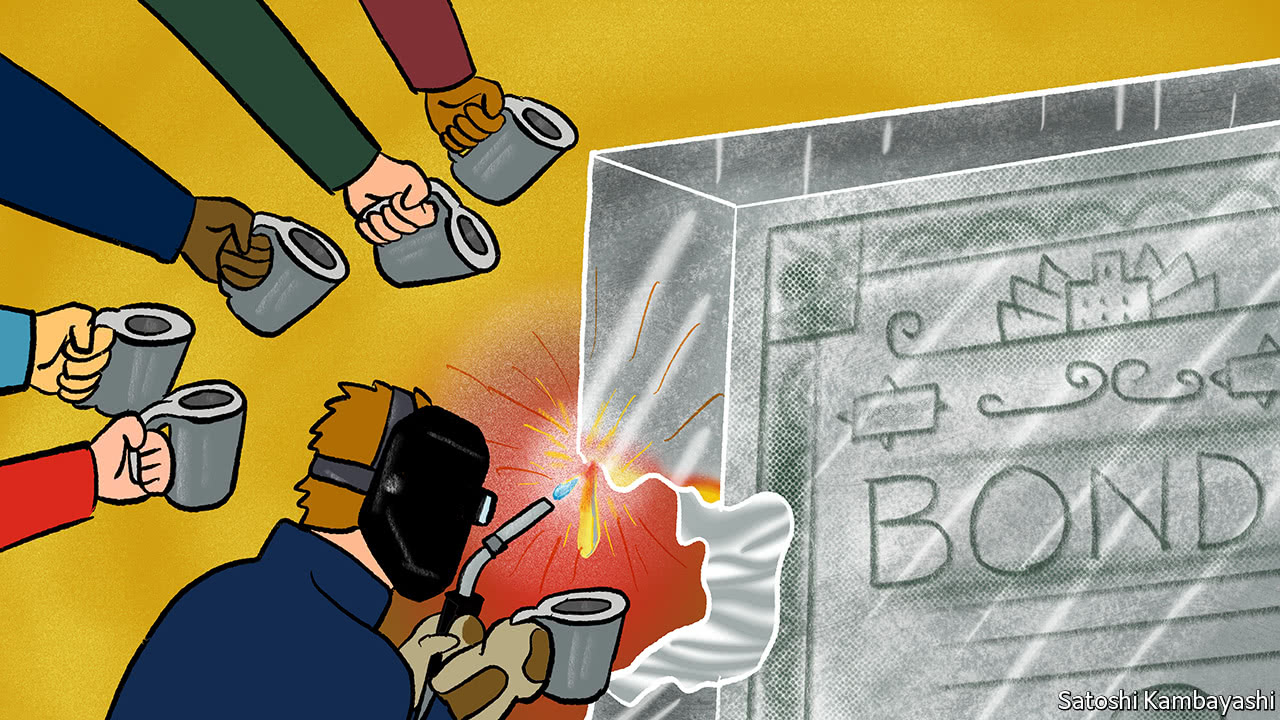
Might the next crisis originate not in the banking system, but in the bond market? That is the subject of a new paper* from the Bank of England. The worry centres on the “liquidity mismatch” between mutual funds, which offer instant redemption to their clients, and the corporate-bond market, where many securities may be hard to trade in a crisis. The danger is that forced…Continue reading