
Tag: FINANCE

Have yourself a dismal Christmas

ONLY an economist would think to ask whether Christmas is efficient. In 1993 Joel Waldfogel, then a professor at Yale University, turned a lunchtime conversation with colleagues into a paper entitled “The deadweight loss of Christmas”, which argued that, no, it is not. That gift-giving might actually be bad is the kind of opinion which breeds a deep mistrust of economists—loathing is perhaps too strong—among those not schooled in the dismal science. It is also just the sort of analytical insight on which economists pride themselves: counterintuitive, irreverent and interesting. But they should perhaps be less pleased with themselves. The way they think about the most festive time of the year reveals something important about the shortcomings of the field’s approach to human behaviour.
Mr Waldfogel’s notion was a clever one. Massive amounts of money are spent on holiday presents; it makes sense to ask whether such spending leaves the world better off. In buying gifts, people do their best…Continue reading
Countries rarely default on their debts

VENEZUELA is an unusual country. It is home to the world’s largest reserves of oil and its highest rate of inflation. It is known for its unusual number of beauty queens and its frightening rate of murders. Its bitterest foe, America, is also its biggest customer, buying a third of its exports.
In defaulting on its sovereign bonds last month (it failed to pay interest on two dollar-denominated bonds by the end of a grace period on November 13th), Venezuela is also increasingly unusual. The number of governments in default to private creditors fell last year to its lowest level since 1977, according to the Bank of Canada’s database. Of the 131 sovereigns tracked by S&P Global, a rating agency, Mozambique is the only other country in default, having missed payments on its Eurobond (and failed to make good on guaranteed loans to two state-owned enterprises). Walter Wriston, a former chairman of Citibank, earned ridicule for once declaring that “countries don’t go bust”. But they don’t…Continue reading
Intangible assets are changing investment
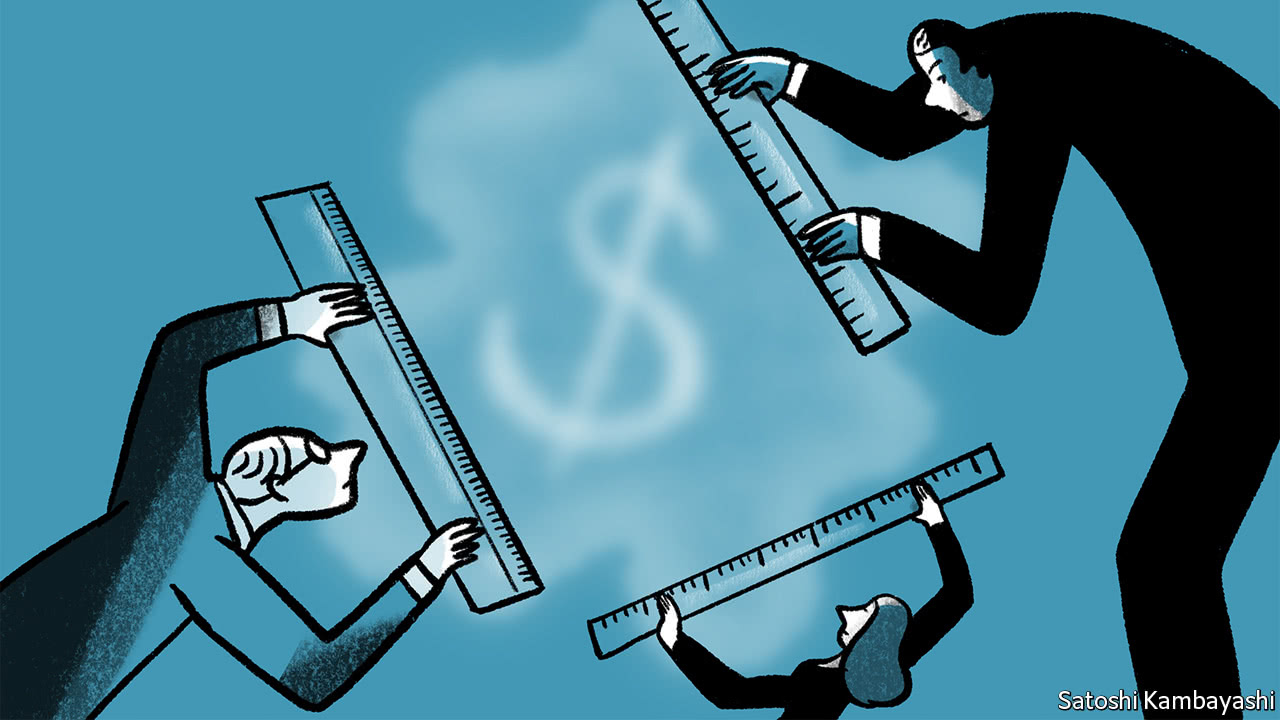
WHEN you work as an equity analyst at an investment bank, your task is clear. It is to comb all the statements made by corporate executives, to scour the industry trends and arrive at an accurate forecast of the company’s profits. Achieve this and your clients will be happy and your bonus cheque will have many digits.
But is all this effort worthwhile? Not as much as it used to be, according to Feng Gu and Baruch Lev, writing in a recent issue of Financial Analysts Journal*. The authors imagined that investors could perfectly forecast the next quarter’s earnings for all companies. They then assumed that investors bought all the stocks that they expected to meet or beat the consensus of analysts’ forecasts; and that investors could short (ie, bet on a declining price) the stocks of those that were predicted not to reach their estimates. They made their investment two months before the end of a quarterly reporting period and got out of their positions one month after the…Continue reading
Cars, jewels, wine and watches have been good investments
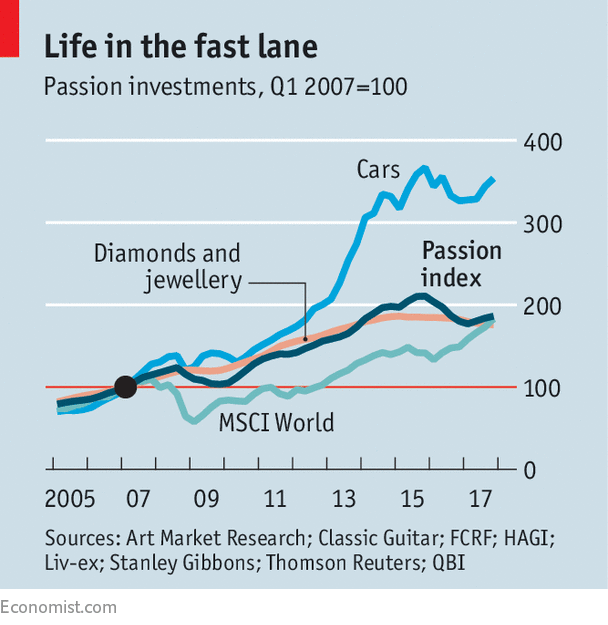
DIAMONDS, they say, are for ever. They can be pricey, too. On December 5th 173 lots of jewels auctioned by Sotheby’s raised $54m. They included several pieces belonging to Sean Connery, known for playing James Bond. The following day a car favoured by Bond, the Aston Martin DB5, was auctioned for $2.7m. It was among 24 classic vehicles that together fetched $45m. The sales in New York last week by the world’s two biggest auction houses, Sotheby’s and Christie’s, also involved fine wines, watches and other luxuries. Between them they sold $200m-worth.
The Economist has compiled price indices for many of these items—diamonds, classic cars, fine wine, art, watches and other curios—and grouped them in a “passion” index. The index is weighted according to the holdings of high-net-worth individuals (HNWI)—defined as people with more than $1m of investable assets—as reported by Barclays. Our passion index has dropped by 2% a year, on average, for the past three…Continue reading
The markets’ apparent calm over Brexit is deceptive
FOR all the sound and fury of the Brexit negotiations, it has seemed at times as if the financial markets have been barely affected. But as with the swans that glide on the Thames, a serene surface conceals some frantic paddling underneath.
The pound is the most reliable indicator of the Brexit mood. A rule of thumb is that, if the headlines point to a “hard” Brexit (creating trade barriers with the EU), sterling will fall; signs of a “soft” Brexit (something that is close to the current relationship) will cause it to rise.
But some feedback processes are at work. The big fall in the pound in the immediate aftermath of the referendum has led to a gradual rise in imported inflation. The annual inflation rate hit 3.1% in November, requiring Mark Carney, governor of the Bank of England, to write to Philip Hammond, the chancellor, to explain why the target (of 2%) had been missed. The bank has already raised interest rates once. More rises may follow, and expectation of such rises supports the pound.
The need for monetary tightening is not simply a result of higher import costs, which might prove temporary. More worryingly, the Bank thinks that the trend rate of growth of the British economy has fallen (a view it shares with the Office for Budget Responsibility, the government’s forecasting arm). In part, this is because Britain faces a more…Continue reading
A decade after it hit, what was learnt from the Great Recession?
TEN years ago this month, America entered the “Great Recession”. A decade on, the recession occupies a strange space in public memory. Its toll was clearly large. America suffered a cumulative loss of output estimated at nearly $4trn, and its labour markets have yet to recover fully. But the recession was far less bad than it might have been, thanks to the successful application of lessons from the Depression. Paradoxically, that success spared governments from enacting bolder reforms of the sort that might make the Great Recession the once-a-century event economists thought such calamities should be.
Good crisis response treats its symptoms; the symptoms of a disease, after all, can kill you. On that score today’s policymakers did far better than those of the 1930s. Government budgets have become a much larger share of the economy, thanks partly to the rise of the modern social safety net. Consequently, public borrowing and spending on benefits did far more to stabilise the economy than they did during the Depression. Policymakers stepped in to prevent the extraordinary collapse in prices and incomes experienced in the 1930s. They also kept banking panics from spreading, which would have amplified the pain of the downturn. Though unpopular, the decision to bail out the financial system prevented the implosion of the global economy.
But the success…Continue reading
Oil and gas supply disruptions ripple around the world
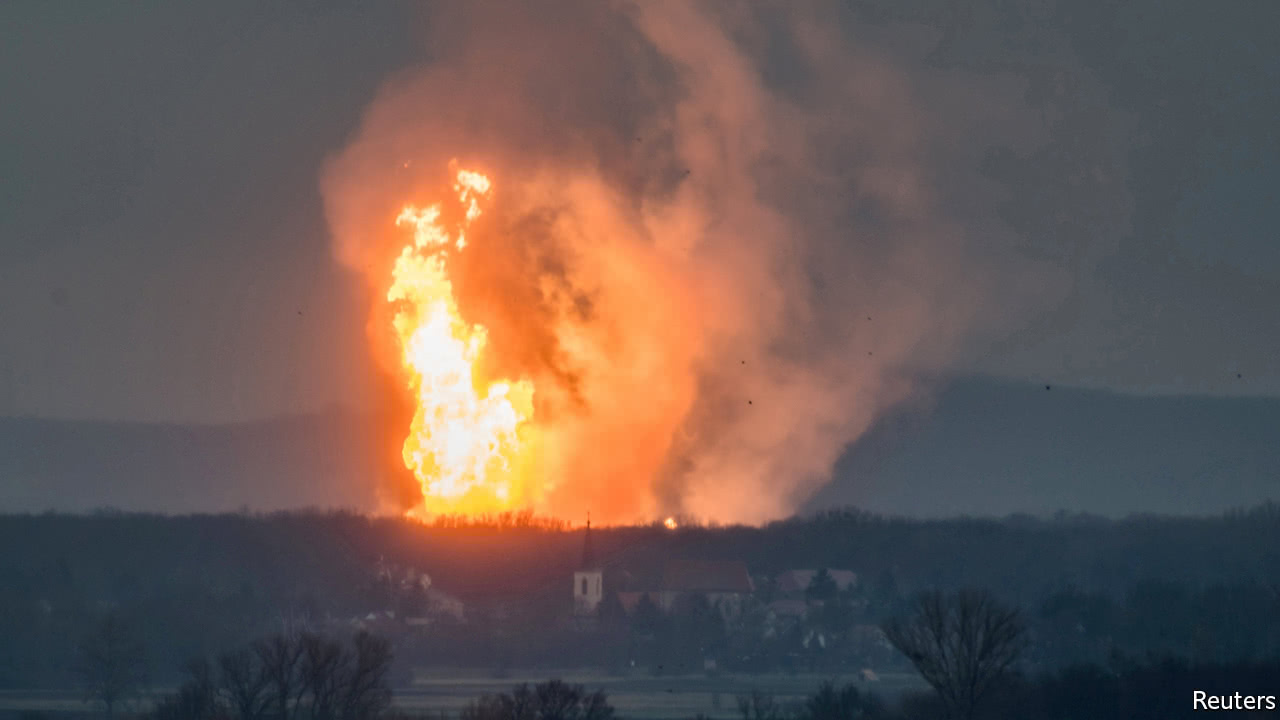
CALL it the hydrocarbon equivalent of the butterfly effect. As oil and gas supplies tighten during the northern winter, disruptions as remote as a hairline fracture on a piece of Scottish pipeline, and an explosion in an Austrian natural-gas plant, have repercussions felt around the world.
Start with the pipeline. After Ineos, a chemicals company, detected a growing crack on a piece of pipe near Aberdeen, on December 11th it said it would shut the main Forties pipeline carrying North Sea oil and gas to Britain for weeks. The suspension of a pipeline carrying 450,000 barrels a day (b/d) of crude, in a global market of almost 98m b/d, would not normally be disruptive. Yet Brent crude, the benchmark for pricing much of the world’s seaborne crude, is itself partly priced on the flow of crude from 80 fields that feed the Forties pipeline, magnifying the impact.
Futures prices for Brent crude delivered in February and March surged…Continue reading
The WTO remains stuck in its rut
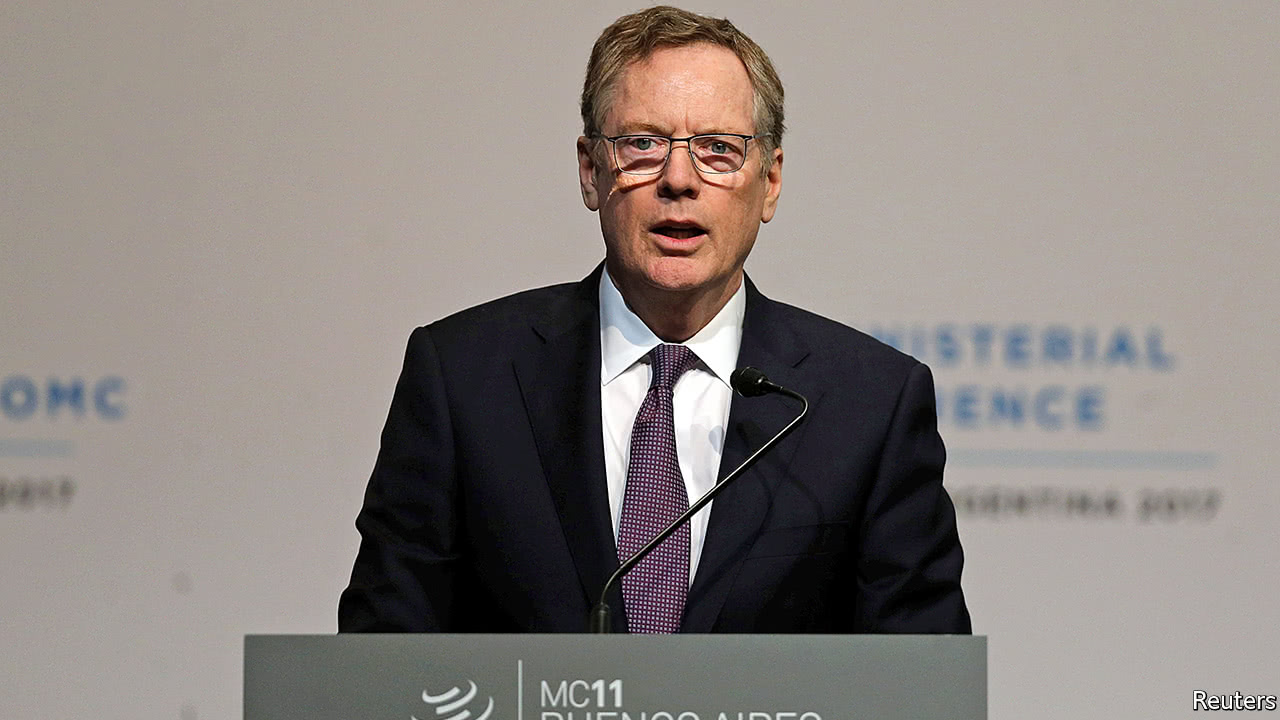
“THERE is life after Buenos Aires,” soothed Susana Malcorra, chair of the 11th ministerial meeting of the World Trade Organisation (WTO). Multilateralism may not be dead, but it has taken a kicking. Expectations were low as the meeting began in the Argentine capital. They sank even lower as it progressed. Delegates failed to agree on a joint statement, let alone on any new trade deals.
Many arrived with a culprit already in mind. Robert Lighthizer, the United States Trade Representative, was the face of an administration that is both questioning the benefits of multilateralism and jamming the WTO’s process of settling disputes. As negotiations progressed, some delegates groused that American leadership was lacking. Some even speculated that the Americans might be happy if multilateral talks foundered. What better proof, after all, that the system is broken?
Ms Malcorra, without mentioning the Americans by name, warned against creating scapegoats out of those who might…Continue reading
The revised Basel bank-capital standards are complete at last
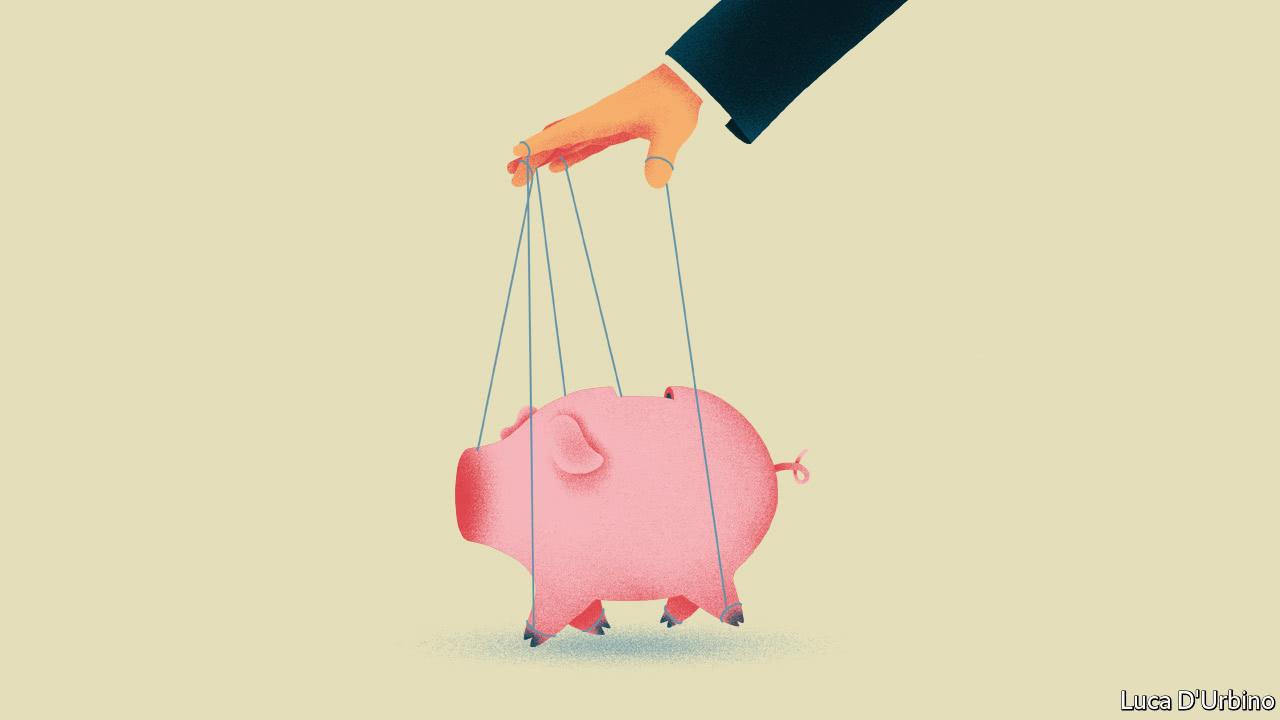

HOWEVER long a storm lasts, clearing up takes longer. On December 7th Mario Draghi, president of the European Central Bank and head of the committee that approves global bank-capital standards, declared that revisions to Basel 3, the version drawn up after the financial crisis of 2007-08, were complete. The overhaul of the previous rules, which were blown away in the tempest, began eight years ago. The revised set, informally called Basel 4, will not take full effect until 2027.
That lengthy period of adjustment is one way in which Basel 4 is less demanding than banks, notably in Europe, had feared. Several other tweaks mean that the standards banks must eventually meet will be less exacting than first proposed. Already forced to bolster their balance-sheets with lots more equity—of which the crisis showed them to be woefully short—banks may deny that they have got off lightly. But they probably have.
Basel 4 was supposed to be settled a year ago. It wasn’t, because of a row over…Continue reading