
Tag: Business
China bulks up in cruise-ship construction
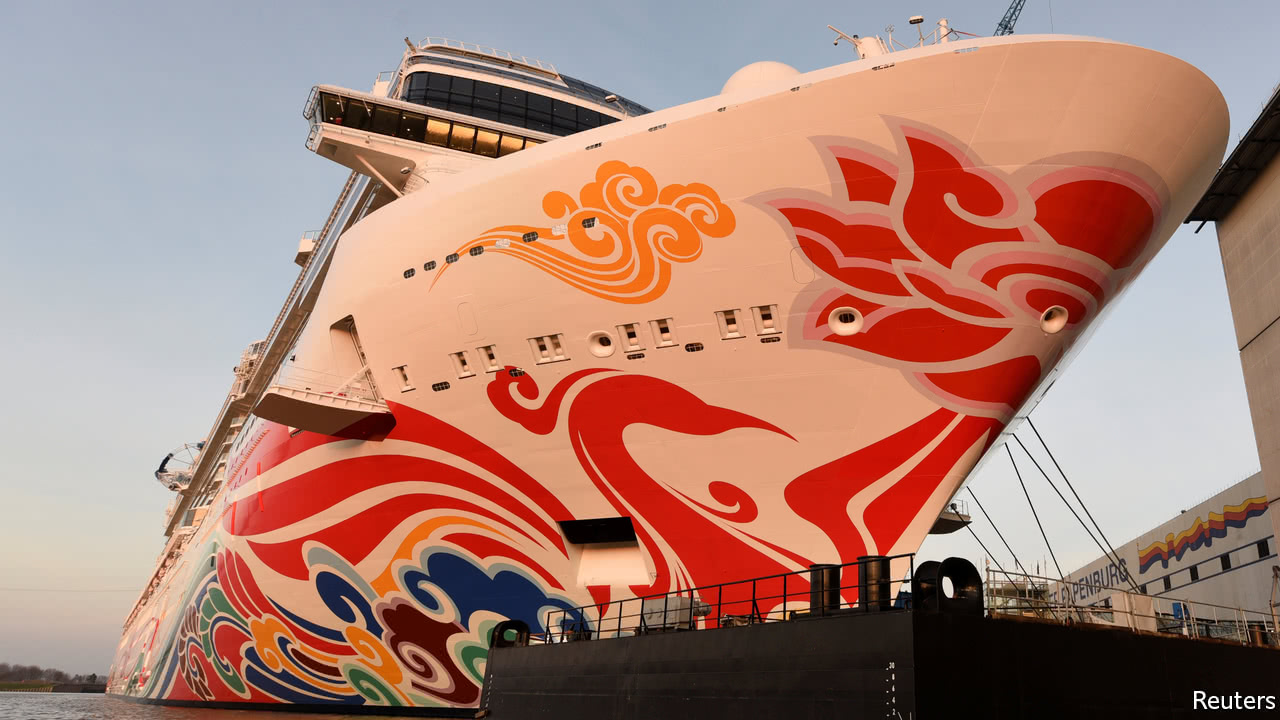
AT FIRST glance the balcony-lined silhouette of the Norwegian Joy, a new cruise ship, looks like any other Western liner moored in Shanghai. But a 333-metre-long Chinese artwork of a phoenix on its topsides signals its distinctive status as the first ship designed especially for China’s expanding cruise market. A pop star, Wang Leehom, christened it on June 27th.
Norwegian Joy was built by Meyer Werft in Germany, in response to a booming Chinese market for cruises. Over the past year the number of Chinese holidaying at sea has more than doubled, to 2.1m, according to the Cruise Lines International Association, a trade group. These numbers are likely to encourage other lines to build ships just for China, instead of using cast-offs from America and Europe. The Norwegian Joy has a much bigger casino than usual, to cater for the Chinese love of gambling. The shops are also twice as large as on Norwegian…Continue reading
Takata’s bankruptcy is a result of familiar failings
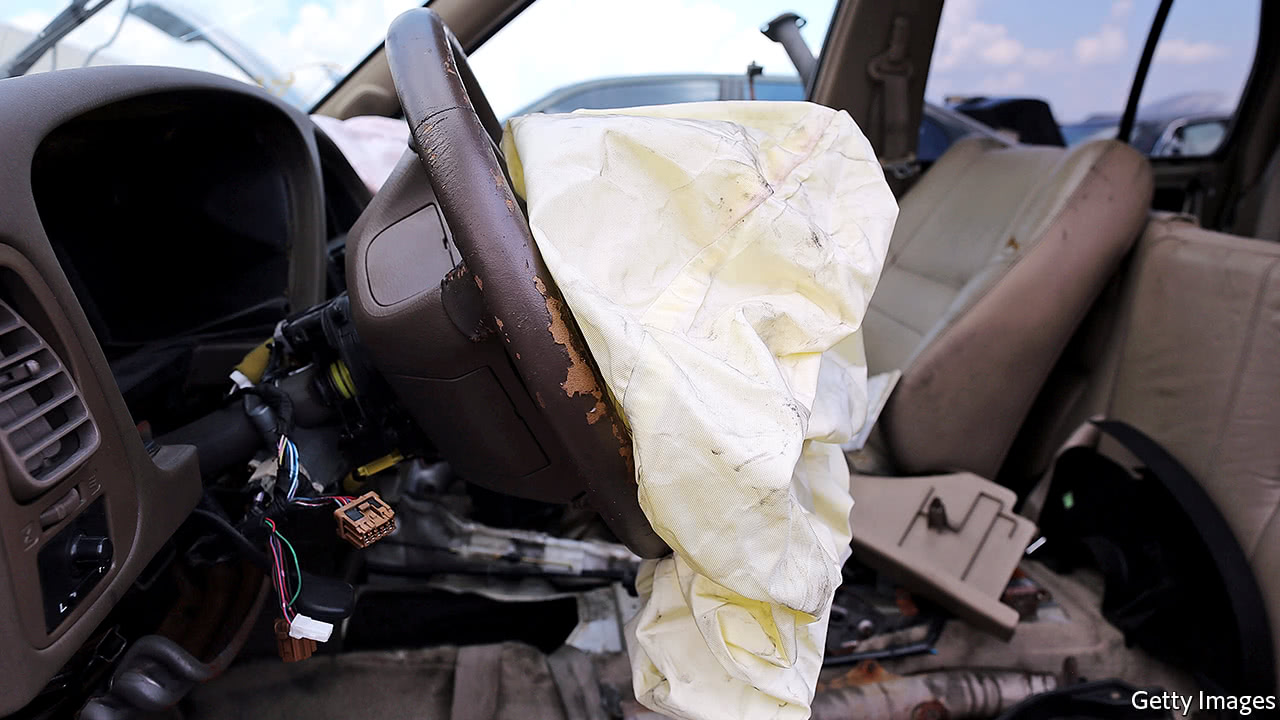
AIRBAGS are meant to make driving safer. But for years, some made by Takata, a Japanese firm, inflated with such vigour that shards of metal and plastic were launched at occupants of vehicles in even minor collisions, causing serious injury and in some cases death. The costs of the biggest-ever recall of vehicles, hauled back to correct the problem, and the associated lawsuits claimed another victim on June 26th. Takata itself filed for bankruptcy in America and Japan, and sold its surviving operations to a competitor, Key Safety Systems (KSS).
It is the latest in a series of self-inflicted wounds by Japanese corporate giants. Takata’s travails come on the heels of other disasters, including insolvency at Sharp, a formerly dominant consumer-electronics firm, and massive losses at Toshiba, a nuclear power and consumer-electronics empire. All suggest a recurring pattern of lack of transparency and leadership.
Takata’s bankruptcy is due to its airbags’ use of chemicals…Continue reading
How to Trump-proof your company
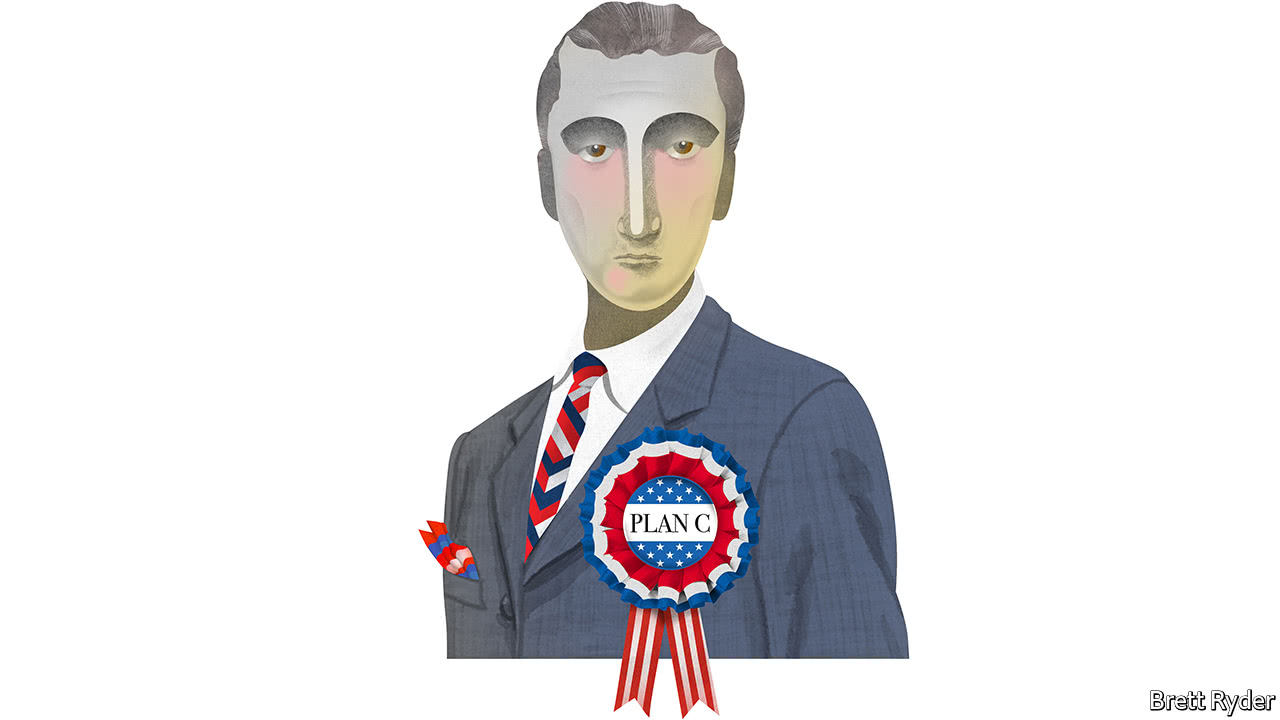
TO OUR management team: When I left the White House yesterday, after another two-hour round-table with the president, I knew in my gut that it was time to put in place “plan C” for this great company. The boxer, Mike Tyson, had a point when he said “everyone has a plan until they get punched in the mouth.” But so did Winston Churchill when he observed that “plans are of little importance, but planning is essential.” We owe it to our investors, customers and 131,000 employees globally, to have a reset.
A year ago we were pursuing plan A. We expected that Hillary Clinton would win the election and that American business would continue as it has since the subprime crisis, meaning slow growth and lots of red tape but open borders and record profits that we could return to shareholders as dividends and buy-backs. Together, our firm and fellow members of the S&P 500 index have been paying out $1trn a year, far more than we invest.
After November 8th, we…Continue reading
Cisco adapts to the rise of cloud computing
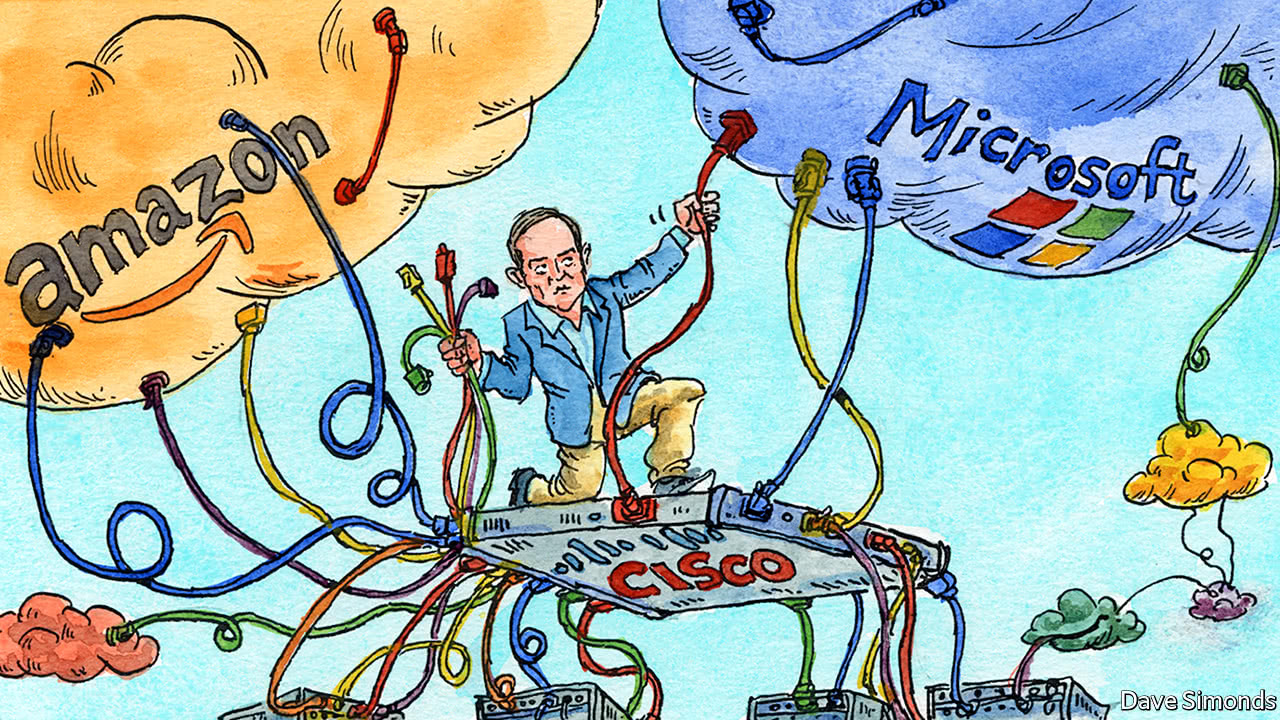
WHEN John Chambers ran Cisco, the world’s biggest maker of networking gear, his hyperactivity nearly matched that of the high-speed switches and routers that made the firm’s fortune. He pushed Cisco into dozens of new businesses, from set-top boxes to virtual health care. He travelled the world preaching the virtues of connectivity. In interviews it was hard to get a word in edgeways. Conversations invariably ended on a restless question: “What should we do differently?”
Chuck Robbins, who succeeded Mr Chambers in July 2015, has two decades of experience selling Cisco gear and seems more comfortable talking about its core business than about diversifications. He avoids the limelight and comes across as almost shy. But he, too, is aware of the need to keep moving. “Networking is getting complex. We need intuitive networks that are secure and can learn and adapt.”
Different times require different bosses. Mr Chambers led Cisco to the top during the dotcom boom; in…Continue reading
The prospects for the world’s biggest IPO

THE proposed sale of 5% of Saudi Aramco is not just likely to be the biggest initial public offering (IPO) of all time. “It’s like Gibraltar selling the rock,” as one expert on Saudi Arabia’s oil policy puts it. The world’s biggest oil company keeps the House of Saud in power, bankrolled 60% of the national budget last year, and is a paragon of efficiency in an economy otherwise mired in bureaucracy.
The elevation on June 21st of Muhammad bin Salman, the 31-year-old architect of the IPO, to crown prince is likely to add more momentum to a sale planned for the second half of 2018. The news will further sideline domestic critics of the IPO, some of whom wonder whether it would be better to borrow the money than sell the family silver. But the success of the IPO is not guaranteed. The tendency of MBS, as the prince is known, to micromanage the listing runs counter to the spirit of openness and liberalisation that he says he wants for Saudi Arabia. That could backfire on the IPO…Continue reading
General Motors is getting smaller but more profitable
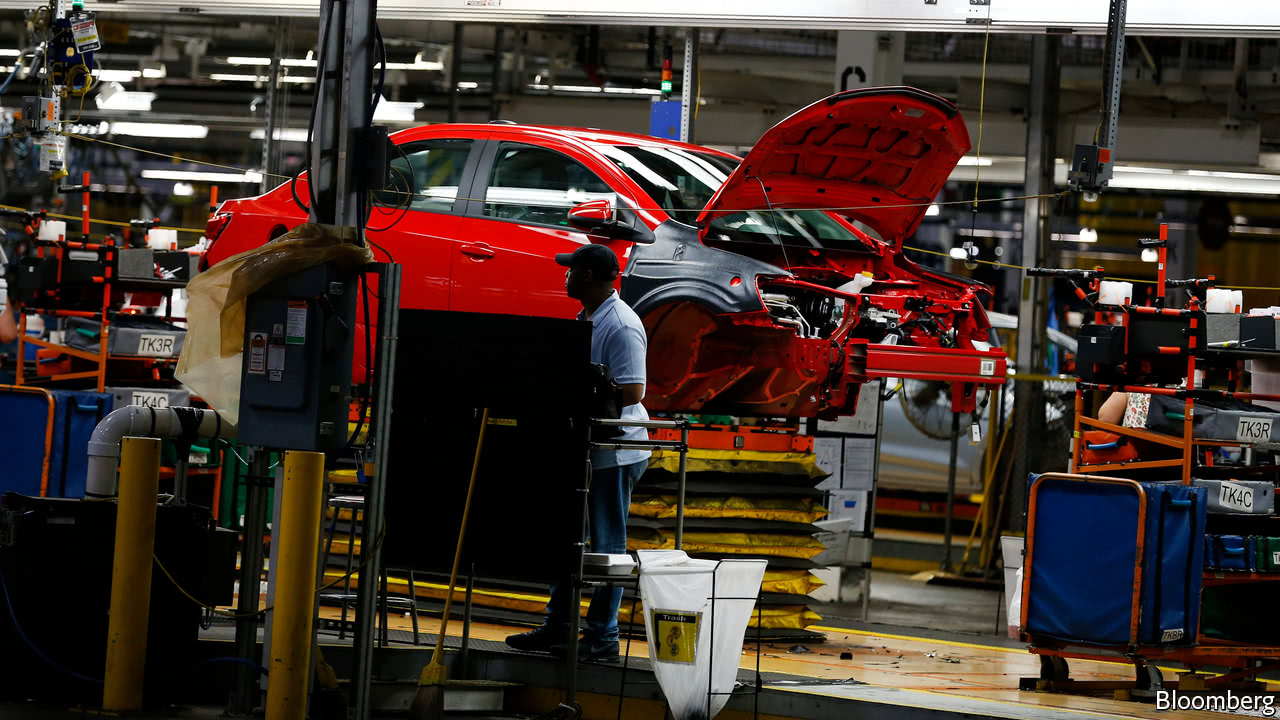
THE headquarters of General Motors (GM) tower over the other skyscrapers in Detroit’s city centre, a reminder that the carmaker still rules the American market. Yet GM’s domestic might increasingly contrasts with its position elsewhere in the world. Although most other carmakers see becoming ever bigger everywhere as the answer to the industry’s multiple challenges, GM is in retreat.
It, too, long vied with the world’s largest carmakers for the global crown. Along with Volkswagen, Toyota and Renault-Nissan, it made around 10m cars last year. Investors have been unimpressed. Although GM had record profits in 2015 and 2016 and has performed solidly this year, its share price has barely budged since its IPO of 2010, after the financial crisis had forced it into bankruptcy.
Such is the frustration that Greenlight Capital, a hedge fund with a 3.6% stake in GM, proposed splitting its shares into two classes—one keeping the current dividend and the other…Continue reading
Amazon’s big, fresh deal with Whole Foods

JEFF BEZOS does not like sitting still. In his annual letter to Amazon’s shareholders this year, he warned of “stasis. Followed by irrelevance. Followed by excruciating, painful decline. Followed by death.” Competitors are toiling to avoid the same fate but it is hard to keep up. On June 16th Amazon said it would pay $13.7bn for Whole Foods, an upscale grocer known for its organic produce. Lest be accused of sloth, four days later Amazon announced a new service to let shoppers try clothes at home, for no fee, then return those they don’t like.
The news that Amazon would make clothes shopping even easier is a blow to America’s apparel chains, many of which are already in the middle of that excruciating decline. Yet it was the Whole Foods deal, more than ten times bigger than any acquisition Amazon has made so far, that caused the bigger stir.
A trendy Asian lifestyle chain opens in North Korea

WHEN Miniso said in January that its stores would “bring the happiness of stress-free shopping to the Koreans”, you would be forgiven for thinking they were referring to emporium-loving Seoulites. In fact, the home-goods store, co-founded by a Chinese entrepreneur and a Japanese designer, was announcing that it would be taking its capitalist trinkets into (ostensibly socialist) North Korea. In a joint-venture deal with one of the country’s state-owned enterprises, it agreed to establish the first foreign-branded chain store in Pyongyang, the destitute country’s showcase capital.
The first Miniso store opened there in April, eight months after its first shop in South Korea began operating, and just before it launched in America. Its arrival is remarkable in a place where displays of branding are rare (the exception is a handful of billboards advertising a local car firm, Pyeonghwa Motors).
Miniso’s coup in the secretive…Continue reading
A hybrid startup offers AI services to business

BOSSES are more likely to groan than feel giddy about advances in artificial intelligence (AI). They need a strategy, but few companies can hope to own a unit like Google’s DeepMind, whose algorithms not only beat the world’s best Go players but made a 40% improvement in the energy efficiency of its parent’s data centres. A Canadian startup, Element AI, wants to let all businesses tap into the world’s best AI minds.
The brain behind the new firm is Yoshua Bengio, a pioneer in “deep learning”, a branch of AI. As firms such as Google and Facebook lured dozens of AI academics, some in the field expressed fears about a brain drain from academia. In 2015, for example, Uber, a ride-hailing startup, poached 40 researchers from Carnegie Mellon University. Mr Bengio meanwhile stayed at the University of Montreal (though in January he became an adviser to Microsoft).
Element AI will let researchers stay in their university…Continue reading
India’s huge buffalo-meat industry is in limbo
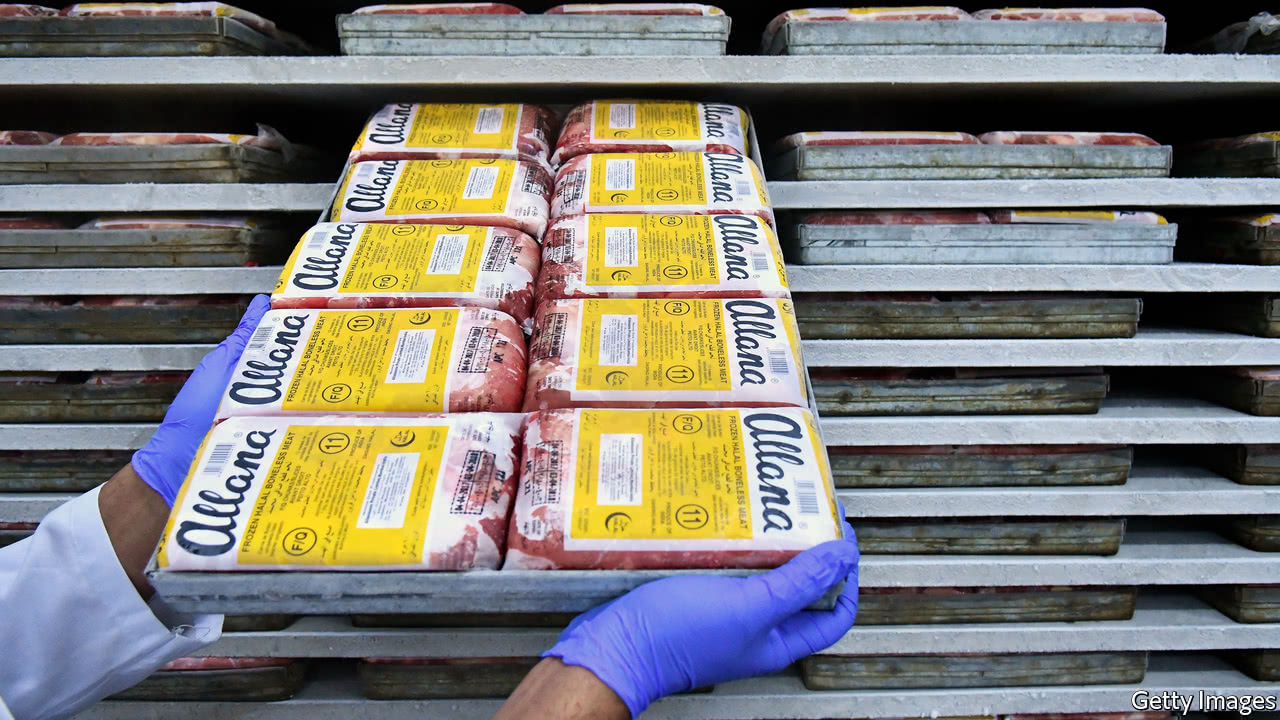
IN A corner of the state of Uttar Pradesh (UP) stands a gleaming building dedicated to animal slaughter on an industrial scale. Neatly mown lawns lead the way to a corral for hundreds of the curly-horned Murrah buffalo typical of the region. Nearby is a lorry-sized, stainless-steel machine in which the animals are killed. A Muslim cleric stands ready to oversee the incantation that ensures each carcass will be halal. Upstairs a microbiology lab monitors the progress of each beast through stages of chilling, deboning and deglanding. Each pile of disaggregated buffalo is then frozen solid and put into a loading chamber.
Such facilities are common in UP, although they do not advertise their whereabouts for fear of antagonising “cow vigilantes”, Hindu militants who harass and extort in the name of protecting cows, which a majority of Indians hold to be sacred. India earns around $4bn a year from exporting beef, and last year was the world’s biggest exporter of the product….Continue reading