
Tag: Business and finance
A computer failure at British Airways causes chaos
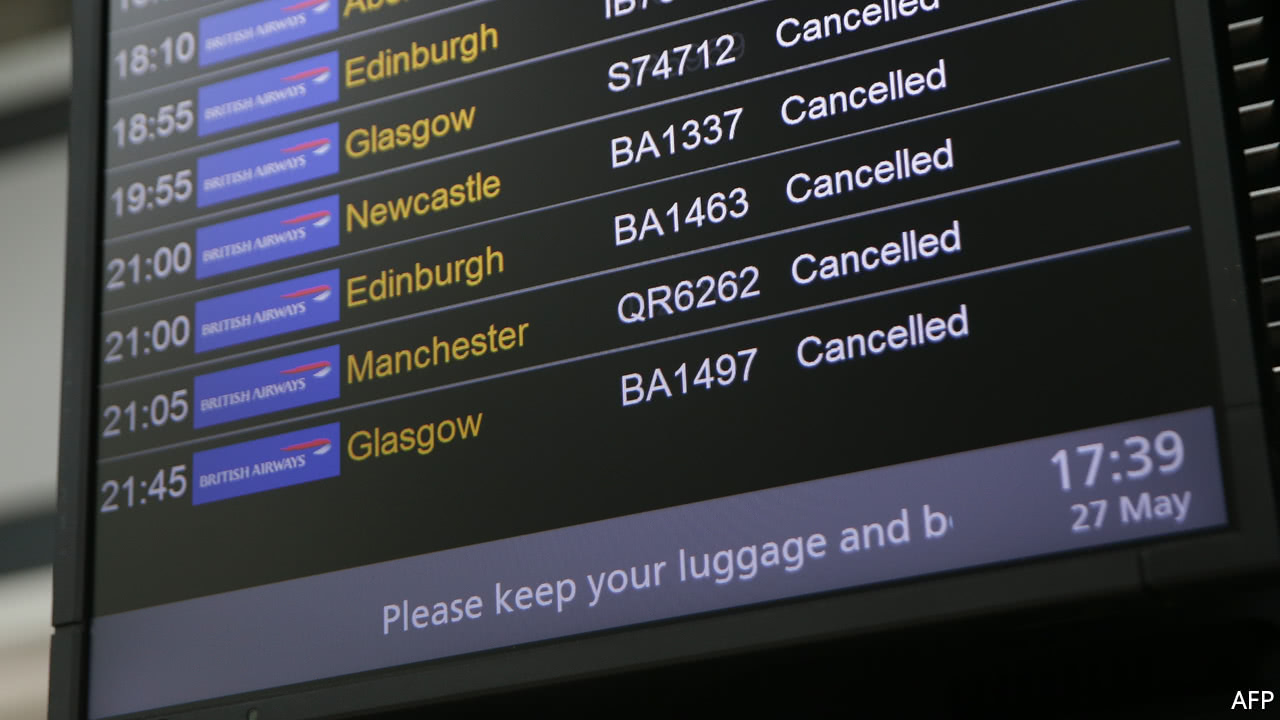
BRITISH AIRWAYS usually relishes the spring bank-holiday weekend, as families take advantage of the extended break to jet off somewhere pleasant. This year’s won’t end soon enough for the airline. A catastrophic computer failure on May 27th grounded over a thousand flights and caused chaos for flyers.
The incident, which was reportedly related to a power failure rather than a cyber attack, will raise questions about the company’s IT system. But for those caught up in the turmoil, it will simply confirm how the service standards of this national airline have deteriorated. Indeed in some respects it showed a chilling disregard for customers.
Your correspondent’s own experience at Heathrow was far from the worst. Many passengers were stuck overnight thanks to missed connections. We arrived at Terminal 5 at 8.30am on Sunday for a 10.55am flight to Berlin. By then police were only letting some passengers in to avoid overcrowding. Inside there was a huge queue that snaked across the terminal. This turned out not to be…Continue reading
An inglorious return to Austin for Uber and Lyft
UBER and Lyft will make their triumphant return to Austin on Monday. Whether the Texas capital will welcome them back is another matter.
The ride-hailing giants left in a huff a year ago, after Austinites had the temerity to vote in favour of maintaining the city’s requirement that the firms perform fingerprint checks on their drivers, as traditional taxi companies must. The pair have long resisted being held to the same standards as taxis, with an insistence bordering on arrogance. They have also tended to assume that customers had their backs. So it was a rude awakening when, after forcing a city-wide ballot on the issue, and spending close to $9m on their campaign, Uber and Lyft found themselves on the wrong side of the progressive Austin population, which didn’t want to be pushed around by big companies from out of town.
Even so, the city had become reliant on the ride-hailing firms, due to a combination of hedonistic nightlife,…Continue reading
May’s mandate melts
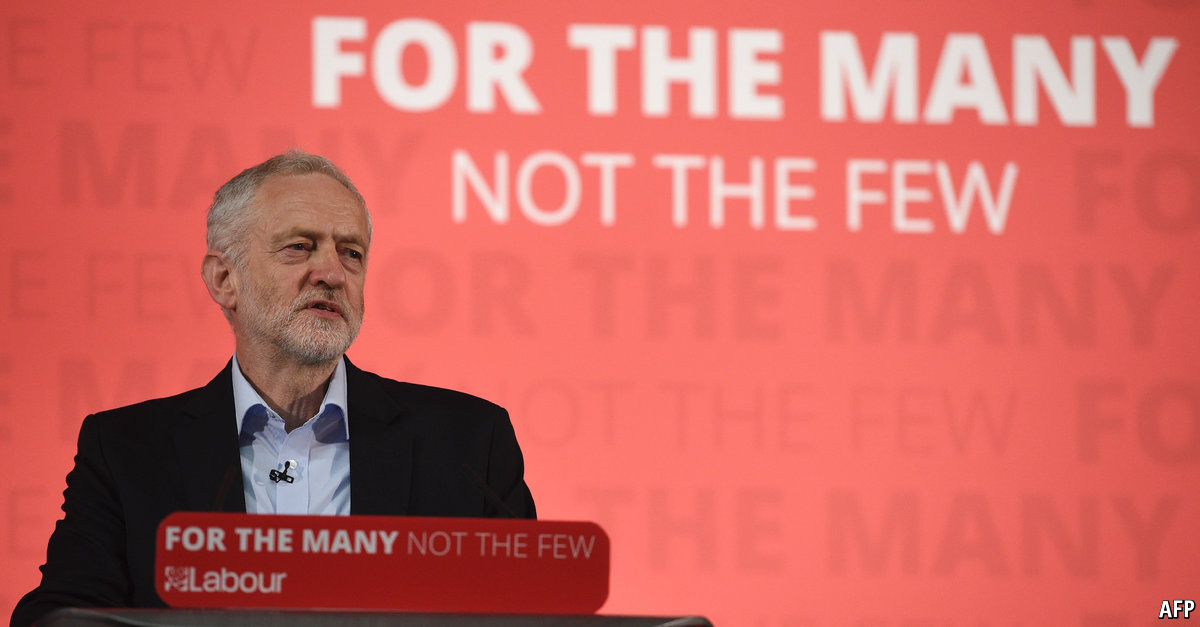
THERESA MAY, Britain’s prime minister, called a surprise election for June 8th arguing that she needed a strong mandate for negotiating Brexit. The pound rallied on the news, in the belief that a large Conservative majority would allow Mrs May the flexibility to do a deal with the EU, and see off the hard-liners among her party.
For a while, it looked as if the plan was going well. The Conservatives had a 20-point lead in some polls. But the party’s campaign, heavily reliant on the appeal of its leader and the repeated use of soundbites like “strong and stable”, has been misjudged. The manifesto launch was disastrous and included a pledge to charge the elderly (a key Tory demographic) for social care. That pledge was quickly reversed, but Mrs May’s refusal to admit to an obvious U-turn undermined her strong leadership…Continue reading
Donald Trump considers congestion pricing for American cities
DONALD TRUMP made a splash during the American presidential campaign when he called for a trillion-dollar investment in infrastructure. But when he actually released his first major budget proposal this week, funds for roads and bridges hardly attracted notice. Though the document does lay out a target of $200bn in direct federal spending, to be augmented by private investments, it provides only $5bn in 2018. “President Trump’s campaign promises on infrastructure are crumbling faster than our roads and bridges,” said one senior Democrat.
Yet tucked away in the proposal is one short paragraph that ought to intrigue the country’s city-dwellers, who overwhelmingly vote Democratic, as well as business travellers who often find themselves visiting American cities.
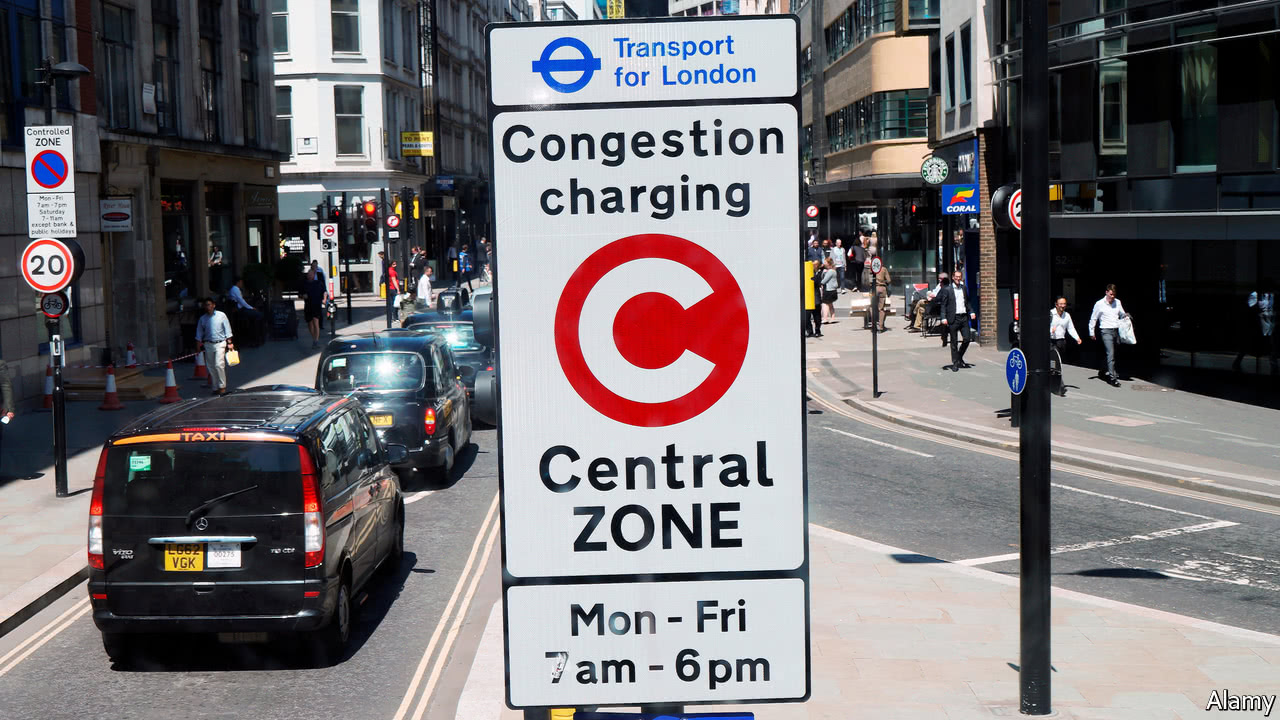
In a paragraph titled “Incentivize Innovative Approaches to Congestion Mitigation”, there is a proposal to “provide valuable incentives for localities to think outside of the box in solving long-standing congestion challenges,” modeled after…Continue reading
Machine-learning promises to shake up large swathes of finance
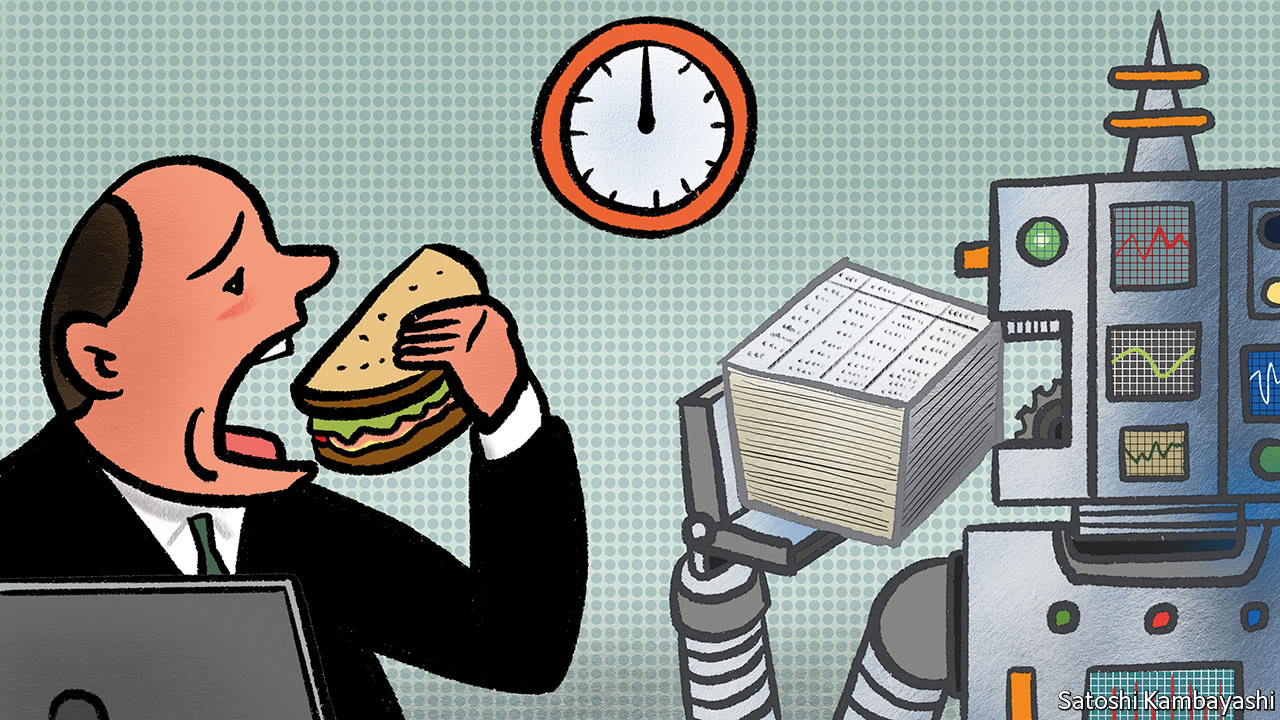
MACHINE-LEARNING is beginning to shake up finance. A subset of artificial intelligence (AI) that excels at finding patterns and making predictions, it used to be the preserve of technology firms. The financial industry has jumped on the bandwagon. To cite just a few examples, “heads of machine-learning” can be found at PwC, a consultancy and auditing firm, at JP Morgan Chase, a large bank, and at Man GLG, a hedge-fund manager. From 2019, anyone seeking to become a “chartered financial analyst”, a sought-after distinction in the industry, will need AI expertise to pass his exams.
Despite the scepticism of many, including, surprisingly, some “quant” hedge funds that specialise in algorithm-based trading, machine-learning is poised to have a big impact. Innovative fintech firms and a few nimble incumbents have started applying the technique to everything from fraud protection to finding new trading strategies—promising to up-end not just the humdrum drudgery of the back-office,…Continue reading
A trade deal between the EU and east Africa is in trouble
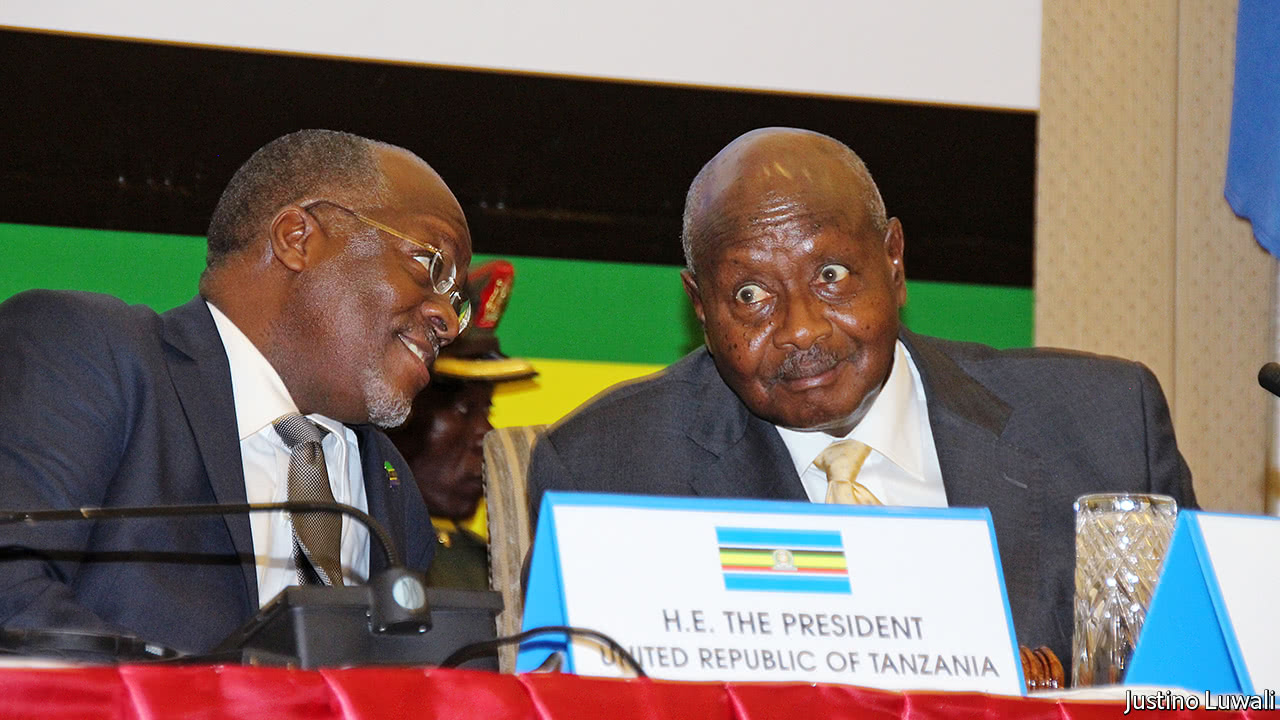
THE winds that waft along the Swahili coast change direction with the seasons, a boon to traders in times past. Shifts in the political winds are harder to predict. Last July a proposed trade deal between five countries of the East African Community (EAC) and the EU was thrown into disarray when Tanzania backed out at the last minute. An EAC summit, scheduled for months ago, was meant to find a way forward. Held at last on May 20th in Dar es Salaam, after many postponements, only two presidents showed up. The deal is in the doldrums.
The pact is one of seven “Economic Partnership Agreements” (EPAs) the EU wants to sign with regional groups in Africa, the Caribbean and the Pacific. The first was agreed with the Caribbean in 2008; southern Africa followed suit last year. But progress in west Africa has also stalled, with Nigeria raising objections. The EPAs were promoted as a new breed of trade deal, and…Continue reading
A new code aims to clean up the foreign-exchange market
FINANCIAL-MARKET traders have earned a pretty shocking reputation in recent years. From manipulating LIBOR, a benchmark interest rate, to rigging the daily fix of foreign-exchange (FX) rates, traders have shown themselves ready not just to stretch the rules, but to collude in outright illegality.
A global code of conduct for the FX market, unveiled on May 25th, aims to put things on a sounder footing. Drawn up over the past two years by a coalition of central bankers, known as the FX Working Group (FXWG), and supported by a panel of industry participants, the code’s 55 principles lay down international standards on a range of practices, from the handling of confidential information to the pricing and settlement of deals.

Such standards seem long overdue in the massive FX market. Roughly $5trn is traded every day (see chart). Many companies, pension funds and money managers depend on banks to hedge their exposure to currency fluctuations. Yet in the past traders colluded with one another…Continue reading
Netflix still gets booed at Cannes
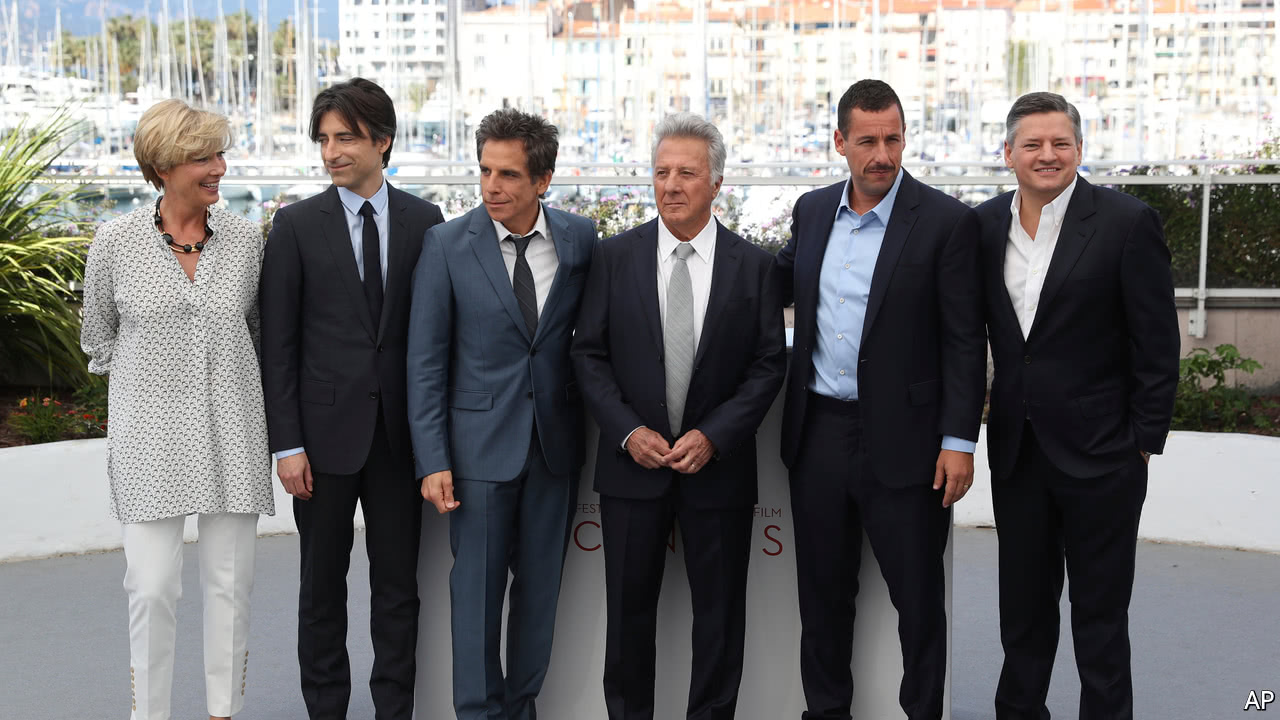
THE rise of Netflix has been greeted frostily by some of the old guard at the Cannes film festival, where the American streaming giant’s disregard for releasing films in cinemas wins it few friends. It looked a bit more at home on May 21st, as the lights went up at the Louis Lumière theatre. The stars of its own film, “The Meyerowitz Stories (New and Selected)”, a comedy drama, accepted a standing ovation from the audience. Ted Sarandos, Netflix’s head of content, stood alongside Dustin Hoffman, Ben Stiller and other cast members. Festival-goers jostled for a word with him at a swanky after-party.
This is the first year that Netflix has been admitted into the festival’s competition, with two films, “The Meyerowitz Stories” and “Okja”, directed by Bong Joon-ho of South Korea. Still, cries of protest from French film-industry executives prompted Thierry Frémaux, the festival director, to declare that, in future, only films guaranteed a theatrical release in…Continue reading
How becoming a Hong Kong pensioner can save you tax

THE global war on tax evasion rumbles on. What began as an American onslaught, with the Foreign Account Tax Compliance Act (FATCA) of 2010, has been joined by more than 100 countries through an initiative called the Common Reporting Standard (CRS). Under this, governments will exchange tax information on their financial firms’ clients on a regular, “automatic” basis, without having to be asked for it, starting this year. Holdouts such as Panama, the Bahamas and Lebanon have, one by one, been frogmarched into line.
But tax-dodgers and their advisers are enterprising sorts, eager to clamber through the smallest loophole—and gaps in the CRS there are. One involves becoming a pensioner in Hong Kong.
The territory, home to a big financial centre, has a type of pension known as an ORS (for Occupational Retirement Scheme). The beauty of ORS from a tax evader’s point of view is that anyone can get one and they are not…Continue reading
Why companies in the chemicals industry are mixing
AS SPRING arrives, the hills of Languedoc in southern France turn green with the leaves of grapevines. This is helped along by chemicals—lots of them, confides a winemaker based near the town of Thuir in the Pyrenees. In their absence, vineyards would need natural fertilisers and to be weeded by hand, both costly. French farmers use more chemicals than anyone else in Europe: 65,000 tonnes of pesticides alone each year.
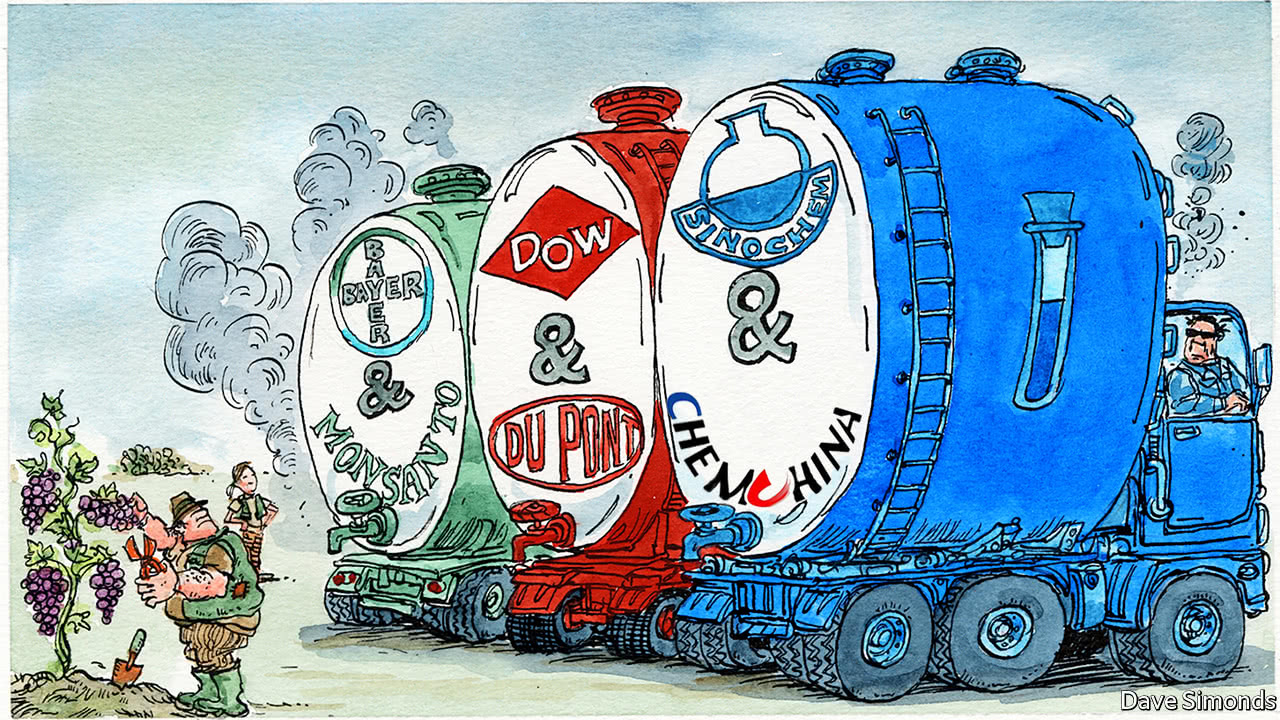
Even the smallest of vine-growers has an interest in a series of takeovers proposed between their chemicals suppliers. After a decade without any big deals, since 2015 three mega-mergers, collectively worth around $240bn, have been proposed. When they were first announced, many doubted that regulators would allow the mergers because of competition worries. If all three proceed, as now seems likely, four companies will produce 70% of the world’s pesticides instead of six today.
The first mega-merger, announced in December 2015, was between Dow Chemical and…Continue reading